

Stakeholders in Nigeria’s water and sanitation sector have been urged to adopt an inclusive sanitation approach to prevent a looming sanitation crisis and strengthen public health systems across cities like Ibadan.
Speaking in an interview with Adamimogo FM, Ibadan, Engr. Ayodele Osalade, General Manager of the Ekiti State Water and Sanitation Regulatory Agency, stressed that inclusive sanitation policies are key to achieving cleaner, healthier, and more resilient communities.
According to Osalade, inclusive sanitation, an approach recommended by the World Health Organization (WHO), ensures that everyone, including the underserved, has access to safe, equitable, and sustainable sanitation systems.
“Inclusive sanitation involves the entire sanitation chain, from containment, transportation, and treatment to reuse. It is essential for achieving open defecation-free communities and improving the health of citizens,” he explained.
He added that such an approach helps optimize the use of resources, ensures social justice, and strengthens accountability in service delivery.

Osalade urged governments at all levels and development partners to sustain investments in sanitation system strengthening, capacity development, and governance reforms to accelerate progress toward achieving universal sanitation coverage.
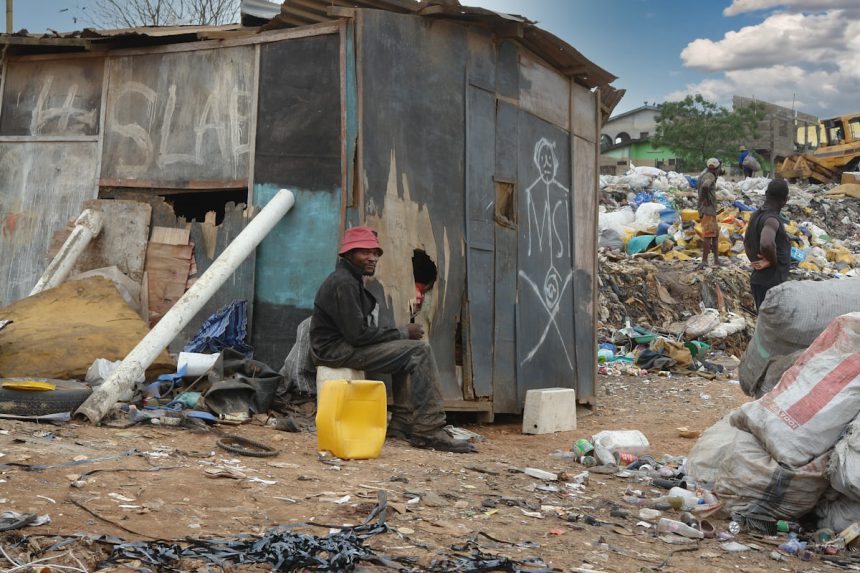
“It is important for government agencies to address open defecation in communities to prevent diseases from contaminating drinking water. Waterborne diseases affect children and women the most, leading to school absenteeism and financial strain on families who spend scarce resources on hospital treatments,” he said.
He further called on residents to embrace the Total Sanitation model—an approach that integrates hygiene education, safe waste disposal, and behavioural change—to improve living standards and safeguard public health.
Recent data from the WASH National Outcome Routine Mapping (WASHNORM) report reveals that more than 48 million Nigerians still practise open defecation, while only 13 per cent of the population have access to safely managed sanitation services.
Experts warn that without inclusive and sustained interventions, cities like Ibadan may continue to face sanitation-related health crises, environmental pollution, and declining productivity.
Osalade concluded that achieving inclusive sanitation is not just a government responsibility but a collective civic duty:
“Every citizen must take ownership of sanitation and hygiene practices. When we all act responsibly, we build a healthier, more resilient Ibadan and Nigeria at large.”