

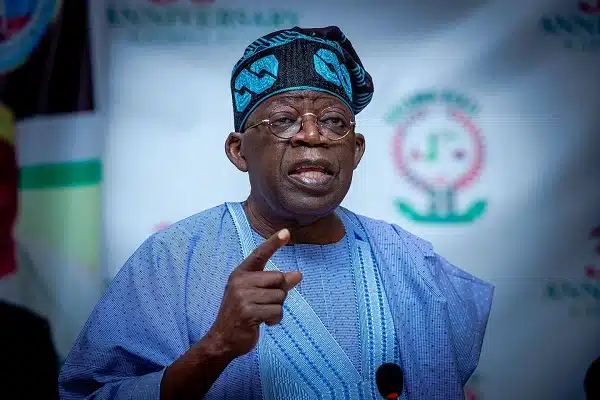

President Bola Tinubu has reaffirmed that Nigeria’s new tax reform laws will take effect as scheduled on January 1, 2026, despite mounting pressure from opposition figures and ongoing controversy over alleged legislative alterations.
In a statement personally signed by the President and released by the State House on Tuesday, Tinubu defended the reforms as a “once-in-a-generation opportunity” to rebuild the nation’s fiscal foundation.
“The new tax laws, including those that took effect on June 26, 2025, and the remaining Acts scheduled to commence on January 1, 2026, will continue as planned,” Tinubu stated. “These reforms are a once-in-a-generation opportunity to build a fair, competitive, and robust fiscal foundation for our country.”
The President asserted that the laws are not intended to raise taxes but to drive structural harmonization, protect dignity, and strengthen the social contract. He therefore called on all stakeholders to support the implementation, which he said is “now firmly in the delivery stage.”
Recall that a former Vice President Atiku Abubakar and presidential candidate of the Peoples Democratic Party, described the move as hasty and insensitive, particularly given allegations that the versions of the bills passed by the National Assembly were altered before being signed into law.
The four laws, the Nigeria Tax Act, the Nigeria Tax Administration Act, the Nigeria Revenue Service Act, and the Joint Revenue Board Act, represent the most comprehensive overhaul of Nigeria’s tax system in decades. They aim to increase revenue, improve the business climate, and streamline tax administration across federal and state levels.
With opposition voices growing and civil society groups questioning the transparency of the legislative process, the government’s commitment to the January 1 start date sets the stage for continued political and public debate in the coming weeks.