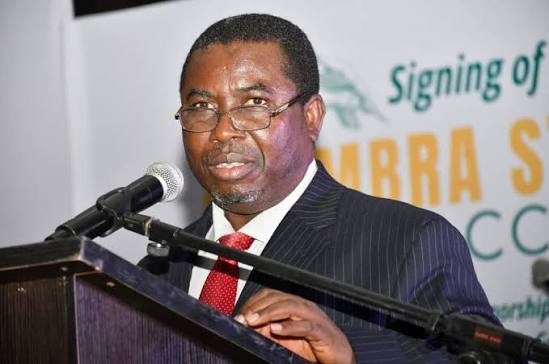

The Chairman of the Independent National Electoral Commission, Joash Amupitan, has cautioned broadcast organisations against amplifying misinformation ahead of the 2027 general elections, describing false content as a major threat to the credibility of the polls.
Amupitan gave the warning on April 8, 2026, while addressing media executives at the 81st General Assembly of the Broadcasting Organisations of Nigeria.
He said the information space has become central to electoral contests, noting that elections are no longer confined to polling units but are increasingly shaped by media narratives and digital platforms.
According to him, the conduct of the 2027 elections will depend not only on logistics and technology but also on how responsibly broadcast stations manage their platforms.
The INEC chairman said the Electoral Act 2026 places clear obligations on media organisations, particularly in ensuring fairness in political coverage. He stressed that publicly owned media must not be used to favour any party or candidate, adding that equal airtime must be given to all contestants, especially during prime time.
“With 22 registered political parties, fairness is not optional,” he said, warning that violations could attract heavy fines and other penalties.
Amupitan also referenced provisions of the law that prohibit inflammatory or abusive political content capable of triggering ethnic or religious tensions, urging broadcasters to draw a clear line between debate and incitement.
He reminded media houses of the mandatory 24-hour silence period before election day, during which political campaigns and advertisements are barred, saying the measure is meant to allow voters reflect before casting their ballots.
While acknowledging the constitutional right to freedom of expression, he said the use of public airwaves comes with responsibilities, especially during elections.
The INEC chairman further explained that the commission works alongside the National Broadcasting Commission (NBC), which regulates broadcasting operations, while INEC oversees electoral guidelines and compliance.
He, however, pointed to ongoing challenges, including gaps in enforcement, regulatory overlap and the influence of incumbency in state-owned media. He also raised concerns about the growing commercialisation of political airtime, which he said could sideline smaller parties.
Amupitan noted that the rise of digital platforms has complicated regulation, as broadcast content is quickly shared and amplified online.
To address these issues, he called for improved coordination between regulators, stronger editorial standards within media organisations, and better fact-checking systems. He also urged transparency in political advertising, including disclosure of sponsors and pricing.
He appealed to broadcasters to verify information before airing it, encourage voter participation and maintain professional standards throughout the election period.
Amupitan added that INEC’s official platforms remain the primary source of verified electoral information and assured media organisations of continued engagement with the commission.