
The Republic of Korea and UNICEF have partnered with Nigeria in a major push to reach millions of unvaccinated children with life-saving vaccines, in what stakeholders describe as a landmark public health intervention.
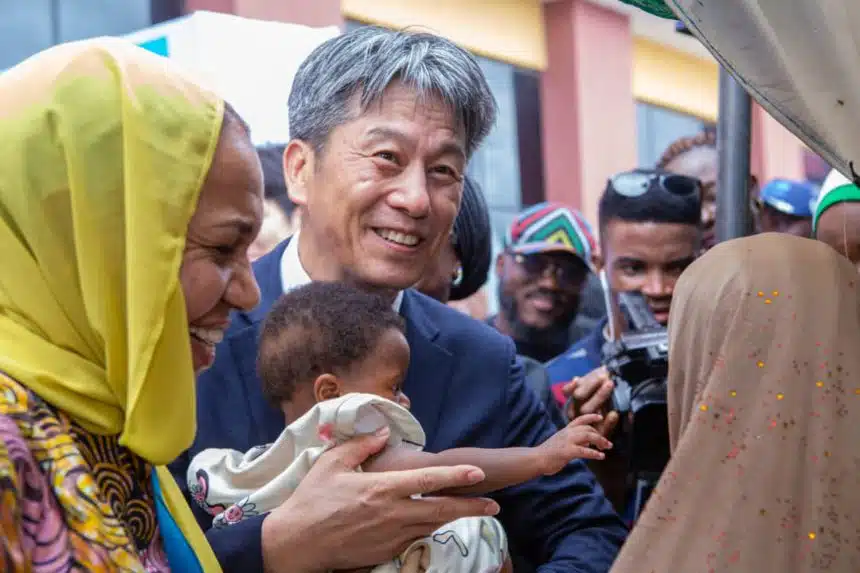
The initiative was officially launched in Badagry, Lagos State, targeting so-called “zero-dose” children, those who have never received routine immunisation while also strengthening vaccination systems across six priority locations: Lagos, Ogun, the Federal Capital Territory, Bauchi, Niger, and Adamawa states.
With an estimated 2.2 million unvaccinated children, Nigeria currently ranks among the highest globally and leads in Africa. Many of these children are concentrated in urban slums, border communities, and remote areas where access to healthcare remains limited. The new programme is specifically designed to bridge this gap by identifying and reaching children who have been excluded from routine immunisation services.
Operating through existing national and state health systems, the partnership will support government-led efforts to improve vaccine delivery, rebuild community trust, and expand access to essential healthcare. Key strategies include community mobilisation, systematic tracking of missed vaccinations, and integrated service delivery to ensure broader coverage.
Speaking at the launch, UNICEF Nigeria Country Representative, Wafaa Saeed, emphasised the significance of the collaboration, stating that it reflects a shared commitment to ensuring that every child’s life is valued and protected through equitable access to healthcare.
Also addressing the event, Lee Sang Ho highlighted the urgency of global cooperation in addressing post-pandemic health challenges, noting that the Republic of Korea’s investment represents a strategic response to rising gaps in immunisation coverage, particularly in high-burden countries like Nigeria.
The programme is being implemented under the Access to COVID-19 Tools Accelerator (ACT-A) framework and has entered its third phase, running from December 2025 to December 2026. It builds on earlier investments made since 2023, aimed at strengthening healthcare infrastructure and expanding vaccine access in underserved communities.
In his remarks, Lagos State Commissioner for Health, Akin Abayomi, said the initiative aligns with the state’s THEMES+ development agenda, particularly its focus on health, environmental sustainability, and social inclusion. He reiterated the state government’s commitment to ensuring that all children, regardless of background or location, have access to quality immunisation services.
The choice of Badagry, a border community, as the launch site underscores the programme’s focus on hard-to-reach populations. The initiative also aligns with Nigeria’s National Immunization Strategy Agenda 2030, reinforcing a broader goal of achieving universal immunisation coverage.