


General George S. Patton famously observed that, “The soldier is the Army.” While the wording of his many quotations differs, the underlying message remains timeless: the strength of every military institution lies not merely in its weapons or platforms but in the men and women who willingly choose to serve their nation. Across the world, military service is regarded as one of the highest expressions of patriotism, sacrifice, discipline, and citizenship. Those who answer that call commit themselves to defending their country’s sovereignty, often at great personal cost and with no guarantee of returning home unscathed. It is for this reason that military personnel are accorded profound respect in many societies. Whether they complete a full military career or voluntarily disengage through approved procedures, their service is recognised, their sacrifices are honoured, and their transition into civilian life is treated with dignity. Military service is, after all, a call to national service, not a life sentence.
Like many professional armed forces around the world, the Nigerian Military provide avenues for personnel either to complete the prescribed years of service or to voluntarily disengage in accordance with established regulations. Choosing either path does not diminish the value of one’s contribution. Every soldier and every officer who has served honourably has contributed to the defence of Nigeria’s territorial integrity, the preservation of peace, and the protection of the lives of millions of citizens.
Regrettably, this ideal has not always been reflected in practice. Over the years, there have been instances where officers and soldiers who sought voluntary disengagement, despite complying with laid-down procedures, encountered unnecessary administrative bottlenecks, emotional pressure, or subtle hostility during their exit process. Rather than being appreciated for their years of dedicated service, some have been made to feel that choosing another career path amounts to abandoning the institution. For individuals who have devoted years of their lives to serving the nation, such experiences can be deeply disheartening.
No professional should be compelled to remain in a career simply because leaving is made unnecessarily difficult. People evolve, aspirations change, and new opportunities emerge. Some military personnel discover passions in academia, diplomacy, entrepreneurship, public administration, humanitarian service, or private-sector leadership. Others leave for family reasons, personal development, or health considerations. These decisions should never diminish the honour of their military service nor the respect they deserve.
Indeed, one of the true tests of leadership is not only how commanders inspire those who remain in service but also how they treat those whose service is coming to an honourable end. The manner in which departing personnel are treated sends a powerful message to those still wearing the uniform. It reflects the values of the institution and shapes morale, loyalty, and public perception.
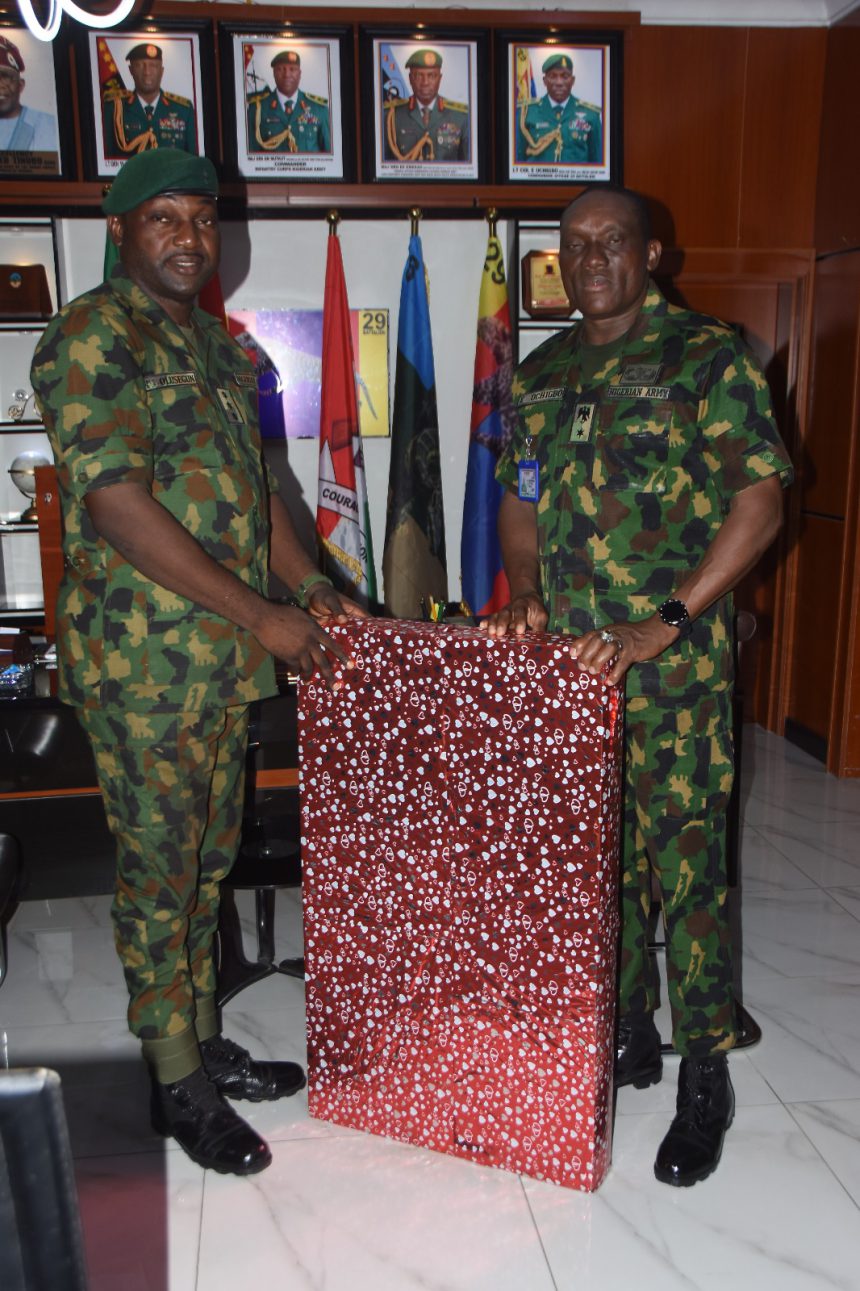
One recent example deserves commendation. The exemplary Commanding Officer of 29 Battalion, Port Harcourt, Lieutenant Colonel E. Ochigbo, demonstrated leadership worthy of emulation by organising a befitting send-off for an officer who voluntarily disengaged from military service. Although the event may have appeared modest, its significance was profound. It conveyed gratitude instead of resentment, appreciation instead of indifference, and dignity instead of bitterness. By honouring a departing officer for his selfless service to the nation, Lt Col Ochigbo reaffirmed an important military principle, that honourable service deserves recognition irrespective of whether an individual completes the full years of service or exits through an approved voluntary disengagement.
Such gestures should not be viewed as extraordinary; they should become institutional tradition. Every officer or soldier who has served faithfully deserves to leave the Armed Forces with pride, appreciation, and the confidence that their sacrifices have not been forgotten. A dignified farewell is not merely ceremonial. It is a recognition of commitment, resilience, and patriotism. Modern military institutions around the world increasingly recognise that supporting personnel through the transition from military to civilian life is an integral part of military professionalism. Many have established structured transition programmes that include career counselling, educational opportunities, employment support, psychological services, financial planning, and formal farewell ceremonies. These initiatives acknowledge that while military service eventually comes to an end, the relationship between the institution and its veterans should endure.
The Nigerian Military have an opportunity to further strengthen this culture. Institutionalising befitting send-off ceremonies for all personnel who leave honourably, whether through retirement or approved voluntary disengagement, would reinforce the values of respect, gratitude, and esprit de corps. Similarly, providing structured transition support would enable departing personnel to continue contributing meaningfully to national development in their new careers.
It is worth remembering that military personnel do not cease to be assets to the nation once they remove the uniform. The discipline, leadership, courage, and professionalism acquired through military service remain invaluable in academia, business, governance, civil society, diplomacy, and countless other sectors. Supporting their successful transition is therefore not simply an act of compassion; it is an investment in national development.
Ultimately, the strength of a military institution is measured not only by its battlefield successes or operational readiness but also by the way it values its people throughout every stage of their careers. Leadership is demonstrated not only in preparing men and women for service but also in ensuring they depart with honour when that service comes to an end.
The example set by Lieutenant Colonel E. Ochigbo serves as a timely reminder that respect for military service should not end at the point of voluntary disengagement. It is a leadership culture worthy of emulation across the Armed Forces. Every soldier and every officer who has served Nigeria honourably deserves more than a discharge certificate. They deserve appreciation, dignity, and the gratitude of the institution they faithfully served. When service ends, honour should not.
Captain (Rtd.) Dr. Luqman Gidado is a distinguished military veteran and accomplished security strategist with extensive expertise in defence, community policing, civil-military relations, strategic communication, security consultancy, and security sector reform. A retired officer of the Nigerian Army, he combines years of practical field experience with scholarly excellence in addressing complex and evolving security challenges.
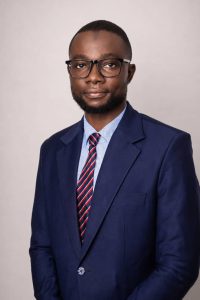
He holds a PhD in Security and Strategic Studies, bringing significant academic depth to his professional engagements. Dr. Gidado is a professional member of the International Institute of Professional Security (IIPS) and is widely recognized for his contributions to advancing national and global security standards, particularly through strategic communication and media engagement. He has authored and published numerous articles in reputable academic and professional journals, contributing meaningfully to contemporary discourse on security, governance, peacebuilding, and civil-military relations.