

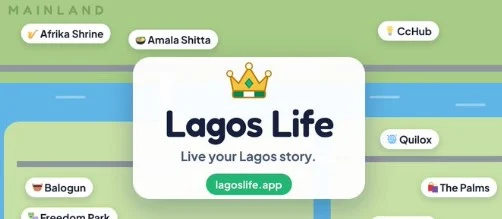

A Nigerian-made browser game that recreates the hustle, challenges and social life of Lagos has taken social media by storm, attracting millions of players since its launch in early October.
Lagos Life, created by UK-based Nigerian developer Shalom Rayhamen, allows players to build virtual characters and navigate a digital version of Lagos, where they can secure jobs, earn and spend virtual naira, pay rent, interact with other players and experience aspects of the city’s nightlife.
The game has quickly gained traction among Nigerian internet users, with WeeTracker, citing Google Trends data, reporting that searches for “Lagos life” in Nigeria increased by more than 5,000 per cent in the week following its launch.
Players begin the game under one of two profiles, “Nepo” or “Lapo,” reflecting two contrasting economic realities. “Nepo”, derived from “nepo baby”, represents players born into wealth and influential connections, while “Lapo”, a reference to LAPO Microfinance Bank, represents those who start with little money and may rely on small loans to get by.
The game’s concept draws inspiration from popular simulation titles, including The Sims 3, as well as Lagos Run, another Nigerian browser game that allows players to navigate the city while driving a danfo.
Rayhamen disclosed on X on Wednesday that Lagos Life had recorded 3,387,866 players, with 161,676 users online at the time of her post. She also said the game received 4,495,785 visits in a single day, taking its total visits to about 28 million.
According to the developer, the game generated approximately $46,900 in revenue within its first four days. However, the figures were self-reported by Rayhamen and have not been independently verified.
Since its launch, Rayhamen has continued to expand the virtual world beyond Lagos, with Abuja and Port Harcourt now incorporated into the game.
The rapid growth of Lagos Life highlights the increasing popularity of locally created digital entertainment that draws directly from Nigerian experiences, language, culture and everyday economic realities.
By turning familiar aspects of Lagos life—including employment, rent, financial struggles, social interaction and nightlife—into an interactive virtual experience, the game has quickly become a notable talking point among Nigerian social media users.