

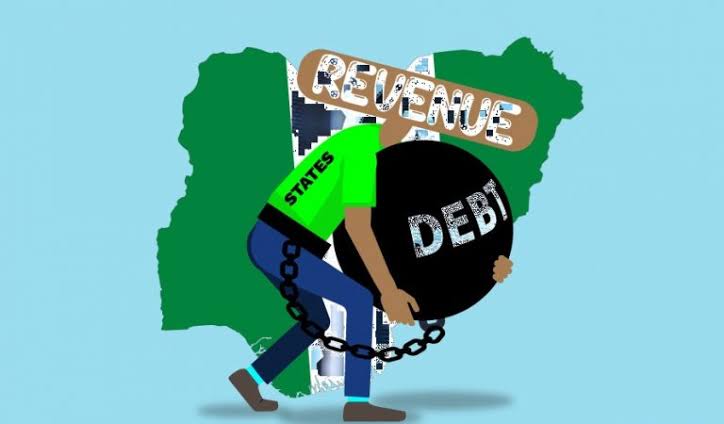

The World says Nigeria has spent N7.7tn on servicing interest on its debts in the first half of 2026, exceeding its total revenue of N6.2tn by N1.5tn.
The new figures show the pressure of debt servicing on the country’s finances, with interest payments consuming more than the government generated in revenue between January and June.
The disclosure was contained in the World Bank’s October 2026 Nigeria Development Update, titled Beyond the Federal Purse: How Higher Revenues Shaped State Priorities.
According to the report, interest payments rose from N5.6tn in the first half of 2025 to N7.7tn during the corresponding period of 2026, representing an increase of N2.1tn, or 37.5 per cent.
The bank attributed the rise largely to high domestic borrowing costs, noting that interest payments increased from 2.5 per cent of Gross Domestic Product to 3.1 per cent over the period under review.
An analysis of the figures, however, shows that the proportion of revenue consumed by interest payments improved compared with the previous year.
Meanwhile, interest payments accounted for approximately 155.6 per cent of federal revenue in the first half of 2025, compared with 124.2 per cent in the same period of 2026. This represents a decline of 31.4 percentage points in the interest-to-revenue ratio.
Despite the improvement, the government continued to spend more on debt interest than it collected in revenue, highlighting the constraints facing its fiscal operations.
The gap raises concerns about the resources available to fund infrastructure, healthcare, education, security and other public services, as a significant portion of government income is absorbed by existing debt obligations.
The figures also point to the continuing effect of domestic borrowing costs on public finances, with higher interest expenses increasing the burden of servicing government debt even as revenue collections improve.
While the lower interest-to-revenue ratio suggests some progress in the government’s revenue position relative to its debt costs, the World Bank’s figures show that interest payments remain a major challenge to fiscal sustainability.
The extent to which the government can widen its revenue base, manage borrowing costs and contain debt-servicing expenditure will remain important to creating more fiscal space for development spending.