

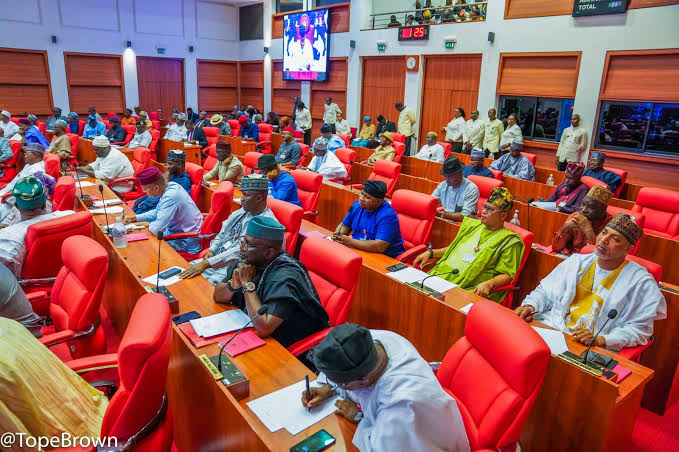

A coalition of prominent civil society organizations has issued a strong condemnation of the Nigerian Senate’s recent votes on proposed electoral amendments, describing the decisions as a significant retreat from transparency and a blow to the credibility of future elections.
In a joint statement signed by groups including the Centre for Media and Society (CEMESO), the Kukah Center, the International Press Centre (IPC), Yiaga Africa, Elect Her, the Nigerian Women Trust Fund, and TAF Africa, the organizations expressed “deep concern” over the Senate’s rejection of several key reforms.
These rejected provisions included measures to allow voters to download missing or unissued voter cards and the compulsory real-time electronic transmission of election results.
The coalition also criticized the Senate’s decision to drastically compress critical electoral timelines. The legal notice period for elections was reduced from 360 to 180 days, the deadline for political parties to submit candidate lists was cut from 180 to 90 days, and the window for the Independent National Electoral Commission (INEC) to publish nominations was slashed from 150 to 60 days.
According to the statement, these changes “weaken public scrutiny, constrain institutional preparedness, and increase the risk of electoral manipulation.”
While acknowledging the Senate’s move to increase the fine for offences related to buying and selling Permanent Voters’ Cards to N5 million as a positive step, the groups argued it is insufficient.
The CSOs also emphasized that the rejection of a proposed 10-year ban for such offenses “weakens accountability for electoral malpractice and undermines efforts to curb vote-buying.”
The statement notes that these Senate decisions contrast sharply with the more progressive stance previously adopted by the House of Representatives. It also highlights a dissenting statement issued by eleven Senators who distanced themselves from the vote.
The coalition called on other Senators to prioritize national interest and reverse the position. They urged the Senate to adopt real-time electronic transmission of results and retain the existing, longer electoral timelines. They further appealed to the public, INEC, and all stakeholders to demand that the Senate’s decisions be overturned during the forthcoming harmonization process by a Conference Committee of both legislative chambers.
“The undersigned civil society organisations… urge the Conference Committee to adopt the position of the House of Representatives,” the statement concludes, calling for the expedited passage of a final bill that safeguards electoral integrity, transparency, and public confidence.