

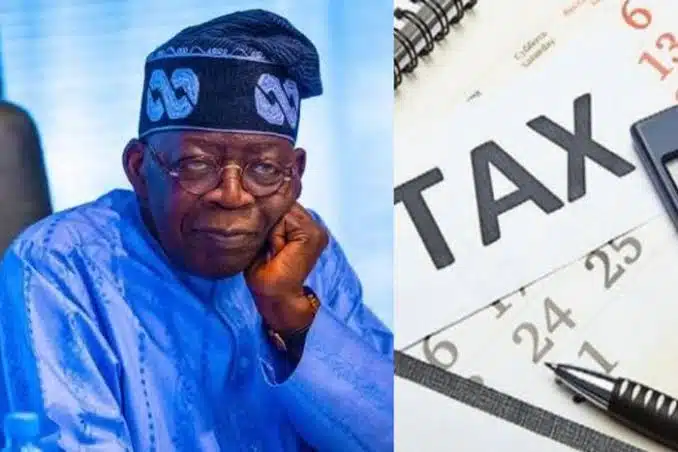

President Bola Tinubu’s newly signed tax reforms is generating more smoke than a chimney, with a coalition of opposition figures demanding their immediate suspension and lawmakers alleging unauthorized alterations to the legislation after its passage.
The National Opposition Movement (NOM), a broad coalition including activist Aisha Yesufu and former Minister Solomon Dalung, labeled the reforms an “assault on livelihoods” that would punish already struggling Nigerians. Their warning came hours before the Presidency firmly rejected any delay, declaring the laws “unstoppable.”
At a press conference in Abuja on Wednesday, NOM spokesperson Chille Igbawua launched a scathing critique of the Tinubu administration’s economic priorities. He argued that imposing a new tax regime amid severe inflation, currency devaluation, and high unemployment was both cruel and counterproductive.
“This new tax plan must not take off now. Its implementation must be suspended immediately,” Igbawua stated. “This is not tax reform; it is a weapon fashioned against the economic wellbeing and social security of suffering Nigerians. You cannot tax hunger. You cannot tax poverty. And you cannot tax people into prosperity.”
The NOM demanded the suspension of the January 2026 implementation date, calling for nationwide consultations with labor, civil society, and businesses, alongside stronger social protection measures.
Also, adding a significant constitutional dimension to the controversy, lawmakers in the House of Representatives raised a separate alarm. They alleged that the versions of the tax bills signed into law and gazetted by the Federal Government differ materially from what was passed by the National Assembly.
Sokoto lawmaker Abdussamad Dasuki brought the issue to the floor, claiming, “What was passed by this House is not what has been gazetted. I was here, I voted, and what is before Nigerians today is completely different.”
A report by concerned legislators alleged the changes went beyond clerical errors. It cited the purported insertion of new coercive powers for tax authorities, including arrest powers and garnishment of accounts without court orders and the removal of parliamentary oversight mechanisms, all without legislative approval.
“These changes cannot be classified as clerical or editorial corrections,” the report stated, warning they “undermine legislative supremacy.” Speaker Tajudeen Abbas pledged the House would investigate.
However, despite the mounting pressure, the Presidency remained resolute. Special Adviser on Information and Strategy Bayo Onanuga dismissed the opposition’s calls, stating the process was too far advanced for suspension.
“The law has been passed by the National Assembly. It has been endorsed by the President. And some people are just waking up when they should have made known their objections a long time ago,” Onanuga told *The PUNCH*. He confirmed the reforms would take effect as scheduled on January 1, 2026.
The four new laws, the Nigeria Tax Act, the Tax Administration Act, the Nigeria Revenue Service (Establishment) Act, and the Joint Revenue Board (Establishment) Act, represent the most significant overhaul of Nigeria’s tax system in decades. The government argues they are essential to increase revenue, widen the tax base, and reduce borrowing.