

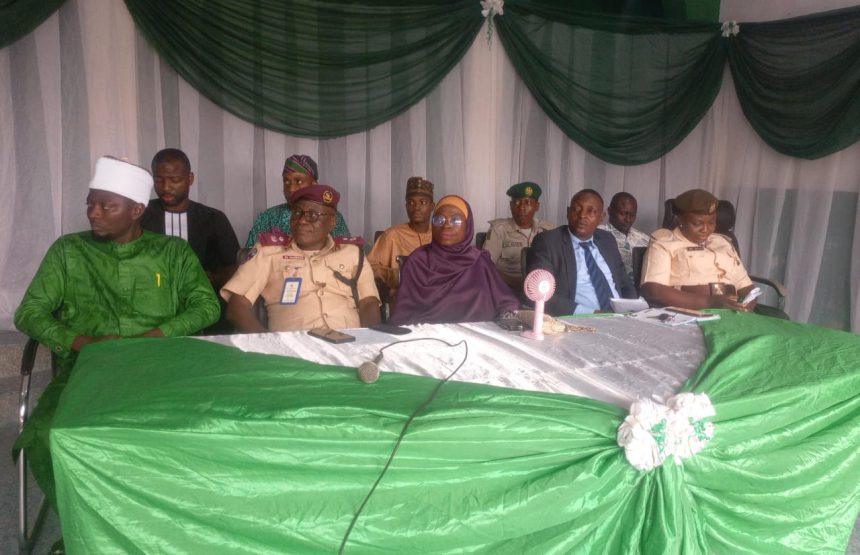

The National Orientation Agency (NOA) in Oyo State has used its annual Ramadan lecture to clarify the concept of taxation from an Islamic perspective while offering prayers for peace and national stability.
The event, held on March 5, brought together Islamic scholars, security agencies and community leaders to reflect on the role of responsible citizenship in national development. The lecture was delivered by Islamic scholar Muqadam Muhammed Toyib Abdulmumin, who provided religious insights into the importance of taxation in governance.
In her welcome address, the Oyo State Director of the agency, Mrs. Ajolayo Sinmiat Akande, emphasised the spiritual significance of the holy month of Ramadan, urging Muslims to reflect on its lessons for nation-building. She noted that Ramadan encourages discipline, unity and peaceful coexistence among citizens.
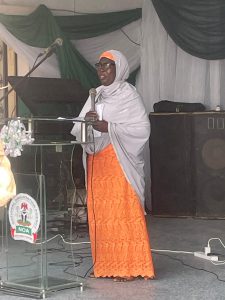
Akande called on Nigerians to demonstrate responsible citizenship by supporting government policies that promote the common good, including the prompt payment of taxes and the fulfilment of other civic obligations. According to her, such actions help strengthen national development and social harmony.
“Ramadan is a month of intense spiritual reflection that naturally inspires unity and peaceful coexistence among citizens,” she said, adding that the lessons of the season should translate into positive attitudes that support national progress.
Speaking on the theme, “The Concept of Taxation from the Islamic Perspective,” Muqadam Abdulmumin described taxation as an essential instrument of governance designed to promote collective welfare and development. He explained that paying taxes is a civic duty that enables governments to provide infrastructure and social services for the benefit of all.
The cleric noted that while zakat is a religious obligation specifically for Muslims, taxation is a broader civic responsibility that applies to all citizens regardless of faith. He cited teachings from the Quran and various Hadiths to emphasise the importance of fulfilling financial obligations to support societal development.
Abdulmumin further explained that the Holy Prophet Muhammad paid taxes during his lifetime, and after his death his followers continued to uphold the principle, encouraging others to do the same as part of responsible citizenship.
He, however, stressed that taxation must also be accompanied by accountability from the government, describing it as a “two-way responsibility” that requires citizens to pay their dues while authorities ensure transparent and effective utilisation of public funds.
The scholar warned against regressive taxation systems that disproportionately burden the poor, noting that Islamic teachings encourage fairness and policies that address the needs of the vulnerable in society.
Representatives of several government agencies and organisations who attended the event commended the Oyo State NOA for organising what they described as a timely and important public enlightenment programme.
A representative of the Federal Road Safety Corps urged Nigerians across all professions to pay their taxes as a way of supporting national development and improving public services.
Similarly, a representative of the Nigeria Police Force, Sanusi Muritala Adebayo, called for unity and cooperation among citizens to promote peace and stability in the country.
Another participant, A. Oseni of the Department of State Services, encouraged Nigerians to remain security-conscious and work with government authorities to combat criminal activities.
The programme concluded with special prayers for national unity, Nigeria’s leaders and the continued success of the National Orientation Agency. The event was attended by representatives of religious organisations, security agencies, the Umu Sakat and Sadakat Foundation, market leaders and other stakeholders.