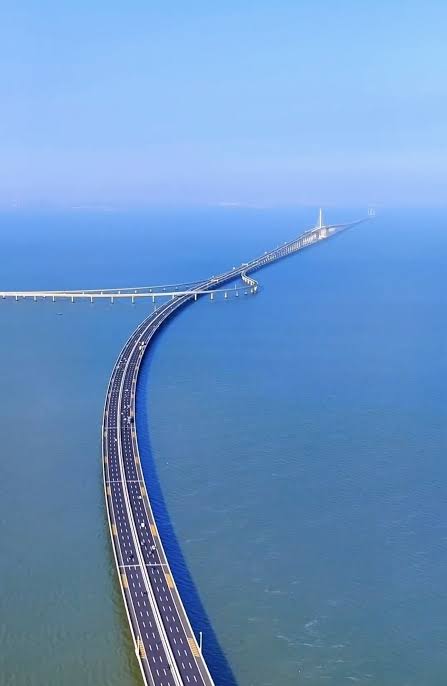

The Development Agenda for Western Nigeria and the BRACED Commission comprising Bayelsa, Rivers, Akwa Ibom, Cross River and Edo states have begun moves to unlock massive investment opportunities along the 750-kilometre Lagos-Calabar Coastal Road.
At a high-level stakeholders’ meeting held at Cocoa House in Dugbe, Ibadan, representatives from South-West and South-South governments, alongside key development actors, explored strategies to maximise the economic potential of the ambitious infrastructure project.
Participants described the coastal road as a potential economic game changer, projecting that, if properly harnessed, it could significantly boost Nigeria’s Gross Domestic Product to between $1.4 trillion and $14 trillion over the next 50 years.
In his remarks, Director-General of the DAWN Commission, Seye Oyeleye, said the initiative to bring stakeholders together was driven by the need for deliberate and structured planning around what he described as Nigeria’s most significant infrastructure undertaking in over six decades.
“The Lagos-Calabar Coastal Road is the biggest infrastructure programme in the last 65 years. Without proper planning, we risk repeating past mistakes,” he said.
Oyeleye emphasised the importance of regional collaboration, noting that coordinated efforts among states would be critical in developing industrial corridors, green zones, and tourism hubs along the route.
Stakeholders agreed that beyond road construction, the real value lies in the economic ecosystems that can be built around it, ranging from manufacturing clusters to eco-tourism and logistics networks.