

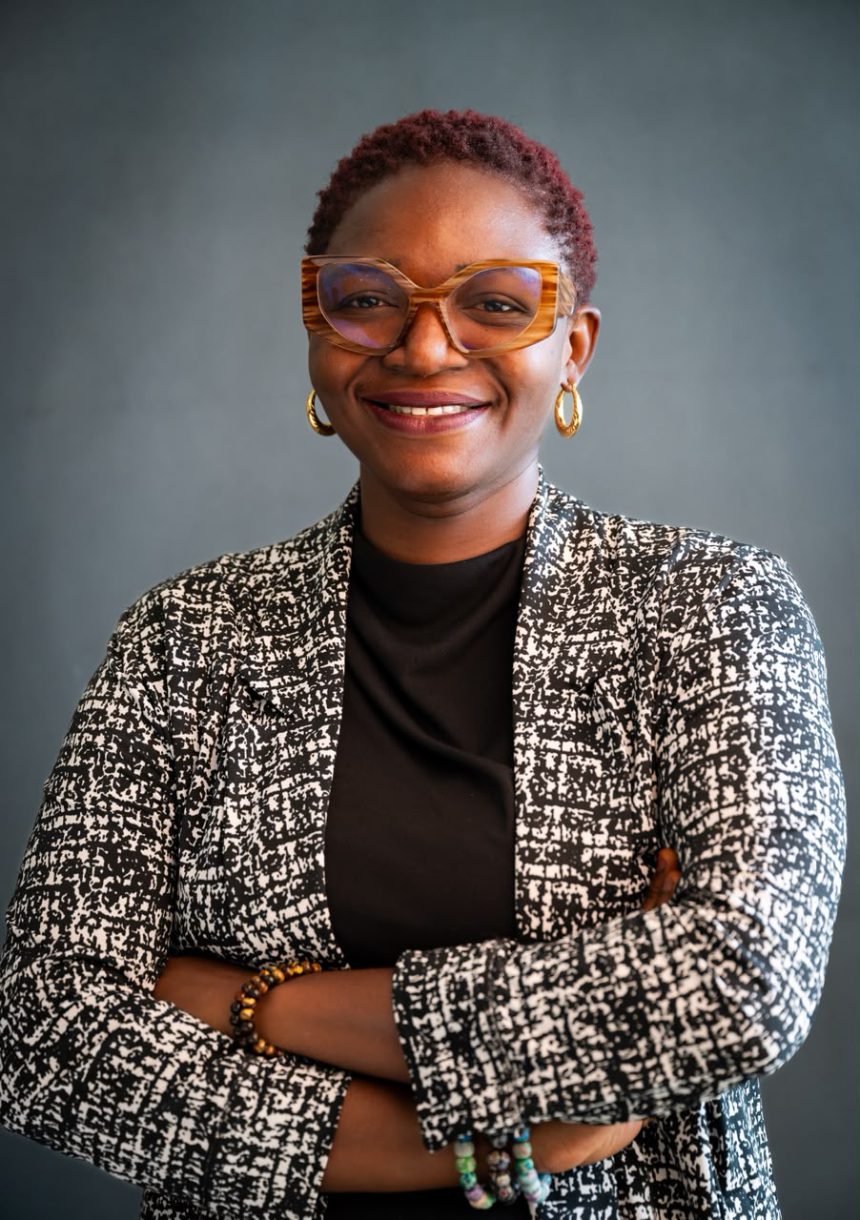

A researcher and lecturer at the University of Calabar, Dr Benyin Akande, has said Nigerians are still demanding basic necessities such as reliable electricity, good roads, security, healthcare and affordable food, 66 years after independence.
Akande, who spoke on Ibadan based radio station, Adamimogo 105.1FM’s Inside Scoop, said successive governments had introduced policies aimed at addressing the country’s challenges but had largely failed to close the gap between policy documents and the everyday experiences of Nigerians.
She said the central issue was not simply the number of policies introduced by government but whether those policies addressed the problems confronting ordinary citizens.
“Most of the time, when people talk about governance, we just pay attention to elections. And then after the elections, what next? We are going into another election cycle by next year, and people are expectant,” she said.
According to her, Nigerians were not asking for extraordinary things but for conditions that would make everyday life more manageable.
“We are just asking for the basic minimum: good electricity, basic roads, just make life comfortable for a regular Nigerian, for the market woman, for the rural woman in the village, for the youth. How can life just be easy for us to navigate all of the challenges that we are facing?”
Akande said it was unfortunate that 66 years after independence, Nigerians continued to make largely the same demands. She, however, acknowledged that successive governments had introduced policies targeted at addressing economic and social challenges, but argued that many of them had failed to adequately reflect the realities of people at the grassroots.
She also described Nigerians as resilient, saying the level of insecurity, economic hardship and social pressures experienced by citizens could cause significant psychological distress.
“Despite the kind of problems that we are facing, Nigerians navigate each day, making fun of most of our problems, creating laughter, creating joy and being hopeful,” she said.
Akande said hope had become an important survival mechanism for many Nigerians, but argued that hope should not replace citizens’ responsibility to demand accountability from their leaders.
The university lecturer whose birthday coincides with that of Nigeria said a generational shift was emerging, with more young Nigerians beginning to recognise the need to move beyond political banter and actively question those in government.
According to her, citizens should begin their demand for accountability from the grassroots, where local government officials and councillors were closest to the people.
“We need to start asking the right questions and holding our leaders accountable, irrespective of the level of government that they are,” she said.
She maintained that Nigerians sometimes engage government officials mainly when they expect personal benefits, rather than demanding institutions that work for the wider population.
She said citizens must also examine their own conduct because governance was not solely the responsibility of elected officials.
“Governance, good governance, is a two-way affair, both from the part of the government and the people who are governed,” she said.
Akande also linked some of Nigeria’s governance problems to what she described as an unhealthy relationship between citizens and power.
She argued further that some people who exercise power irresponsibly in workplaces, communities and other smaller spaces could replicate the same behaviour when they eventually occupy larger political positions.
On the economic reforms of the President Bola Tinubu administration, Akande said the government needed to pay greater attention to the experiences of ordinary Nigerians when designing and implementing policies.
She also explained that policy studies recognised both “top-bottom” and “bottom-top” approaches, arguing that government policies often appeared to be designed from the top without sufficient input from the people they were intended to serve.
“Our government needs to sit down and begin to interrogate the kind of approach they use in bringing up reforms,” she said.
According to her, policymakers should ask what ordinary Nigerians need to achieve economic security and should pay attention to issues such as food prices, transportation costs and the ability of families to meet their basic needs.
Akande acknowledged reports of improvements in some macroeconomic indicators but said such changes would have limited meaning to citizens if they did not translate into improvements in their daily lives.
“For a regular person on the street, someone within the market square, people in the motor parks, they do not have this document. They do not have any idea about what these indices are speaking about,” she said.
“They just want to know: how much am I buying a cup of garri? How much am I buying rice? And if there is no transformation at that micro level, it becomes very problematic.”
She therefore called for a greater grassroots component in economic policymaking, saying citizens should be involved in identifying the problems policies are expected to solve.
Akande mentioned that Nigerians were increasingly frustrated by promises of future improvements without corresponding changes in their living conditions.
She said she did not expect a complete transformation of the country within a few years, but argued that citizens should at least be able to identify tangible improvements.
“Change may not be drastic, but can we feel something? Can there be little, tiny drops of change that people could really feel?” she asked.
She identified food affordability, healthcare, transportation and security as areas where citizens expected measurable improvements.
“People should be able to afford basic food. People should be able to eat,” she said, noting that some families had reduced the number of meals they could afford each day.
She also raised concerns about insecurity on Nigerian roads and the state of healthcare facilities, arguing that citizens should be able to travel and seek medical treatment without excessive fear.
For Akande, the central test of governance remains straightforward: whether citizens can see, feel and benefit from the decisions made in their name.