

Faith leaders, gender advocates, and community champions from Oyo, Ogun and Osun States have called for the continuation of the Strengthening Women’s Economic Empowerment Project (SWEEP), a flagship initiative facilitated by Tearfund Nigeria, which they say has transformed lives, strengthened families, and reshaped long-held gender norms across their communities.
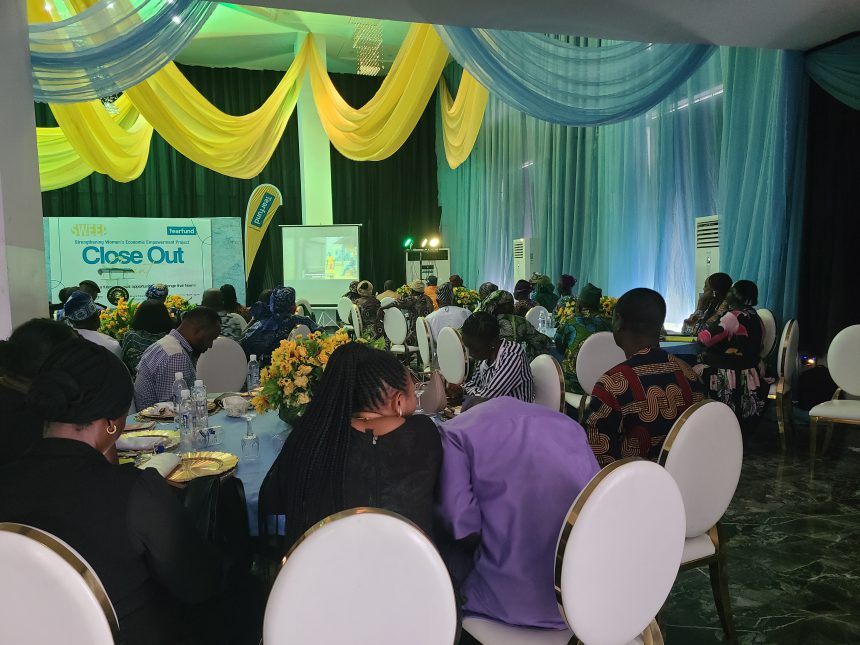
The call was made on Thursday, November 12, at the project’s close-out event held at De Signature Hotels, Jericho Ibadan, where beneficiaries, traditional rulers, security agencies, support groups, and government representatives gathered to reflect on three years of sweeping change.
Launched in 2022, SWEEP was implemented across underserved communities in three states with the goal of promoting gender equality, reducing sexual and gender-based violence (SGBV), and enhancing women’s economic participation through a faith-based, community-driven model.
Through Tearfund’s holistic Church and Community Transformation (CCT) framework and the Transforming Masculinities approach, the project empowered women, engaged men, and mobilised faith institutions to challenge harmful norms and promote dignity and justice in homes and communities.
At the event, beneficiaries shared emotional testimonies of economic advancement, improved household harmony, and restored confidence. Many appealed passionately for the continuation of the programme, stressing that its impact is only just beginning to take root and should not be cut short.
One community leader from Osun State described the project as “a turning point for families,” noting that women who previously lacked access to opportunities are now running businesses, contributing to household finances, and participating in decision-making—changes he said were “unthinkable just three years ago.”
The Country Director of Tearfund Nigeria, Mrs. Regina Afiemo, assured participants that the close-out ceremony did not signify the end of SWEEP’s mission but rather a transition into community-owned sustainability.
According to her, “SWEEP is not shutting down. What we are doing is handing this movement back to the communities that have embraced the message. The responsibility now lies with you, the leaders, champions, and beneficiaries, to sustain the gains and continue shaping a future where all people can flourish.”
She added that Tearfund would continue to collaborate with partners and faith institutions to expand the reach of the initiative, noting that “lasting transformation happens when communities take ownership and build structures that outlive project cycles. SWEEP has shown us that gender equality is possible when men, women, and faith leaders walk together.”
Presenting the project’s key findings, one of its lead contributors, Dorah Tarfa, emphasised the need for stakeholders to deepen collaboration and maintain the momentum created over the past three years. She highlighted notable outcomes including improved household dialogue, strengthened women-led Self-Help Groups (SHGs), and increased awareness of gender justice among youth and faith communities.
In his remarks, the Oyo State Commissioner for Budget and Economic Planning, Professor Musibau Adetunji Babatunde, commended Tearfund’s impact in transforming the lives of women and families.
“This initiative shows what is possible when development meets local realities,” he said. “The Oyo State Government will continue to lend support where necessary, especially for programmes that promote inclusion, reduce violence, and strengthen economic resilience.”
The event featured goodwill messages from royal fathers, government agencies, community change agents, and stakeholders who praised SWEEP’s unique integration of economic empowerment, gender-transformative education, and faith-based engagement.
From 2022 to 2025, SWEEP established structures that enabled women to gain financial independence through Self-Help Groups, access livelihoods support, and strengthen savings culture. At the same time, men participated in dialogues that challenged patriarchy, reduced SGBV, and fostered shared decision-making in households. Faith leaders, mosque and church alike—emerged as advocates for equality, preaching messages that promote peace, partnership, and respect.