


Nigeria’s ongoing reforms in the oil and gas sector have improved regulatory certainty and strengthened investor confidence, but inadequate infrastructure and implementation challenges continue to hinder the growth of the domestic gas market, according to a new report by Lagos-based law firm Tope Adebayo LP.
In its report titled “From Policy to Practice: Legal and Regulatory Drivers of Nigeria’s Domestic Gas Market Under the PIA and Recent Executive Orders,” the full-service law firm noted that the Petroleum Industry Act (PIA) and subsequent presidential directives have laid a stronger foundation for gas development through pricing reforms, investment incentives and enhanced regulatory oversight.
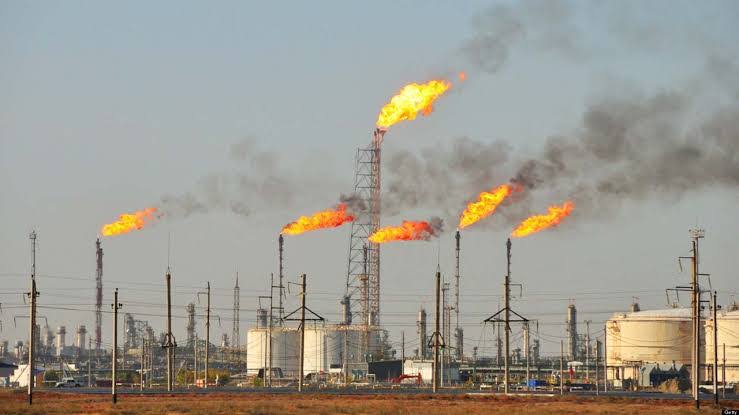
Nigeria possesses more than 206 trillion cubic feet of proven gas reserves, but the country has historically struggled to translate its vast resource base into sufficient domestic energy supply due to years of underinvestment, inadequate infrastructure and persistent gas flaring.
According to figures cited in the report, domestic gas sales increased from 49.3 billion standard cubic feet in January 2022 to 64.2 billion standard cubic feet by January 2025, reflecting the impact of reforms introduced under the PIA.
“The PIA represents the most comprehensive reform of Nigeria’s petroleum sector in decades and has established a stronger foundation for domestic gas development through regulatory clarity, pricing liberalisation mechanisms, infrastructure support and enhanced investment incentives,” the firm stated.
The report highlighted key structural changes under the Act, including the establishment of separate regulatory agencies for upstream and midstream/downstream operations, which it said have improved oversight and reduced bureaucratic bottlenecks.
It also identified the Domestic Gas Delivery Obligation framework as a major policy intervention designed to boost supplies to critical sectors such as electricity generation and manufacturing. The framework includes sanctions for operators that fail to meet their obligations.
According to the firm, recent executive orders and presidential directives have further enhanced the investment climate by introducing tax incentives, shortening contracting timelines and providing more flexibility in the implementation of local content requirements.
“These interventions signal a deliberate effort by the government to improve project economics and enhance Nigeria’s competitiveness as a destination for gas investments,” the report noted.
Despite the progress, the firm warned that policy reforms alone would not be enough to unlock the sector’s full potential. It pointed to lingering infrastructure deficits, payment risks within the power sector, legacy debts and inefficiencies in policy implementation as major constraints to large-scale growth.
The report stressed that achieving a fully functional and scalable domestic gas market would require sustained investments in pipelines, gas processing plants, transportation systems and distribution networks, alongside stronger institutional coordination and more consistent regulatory enforcement.