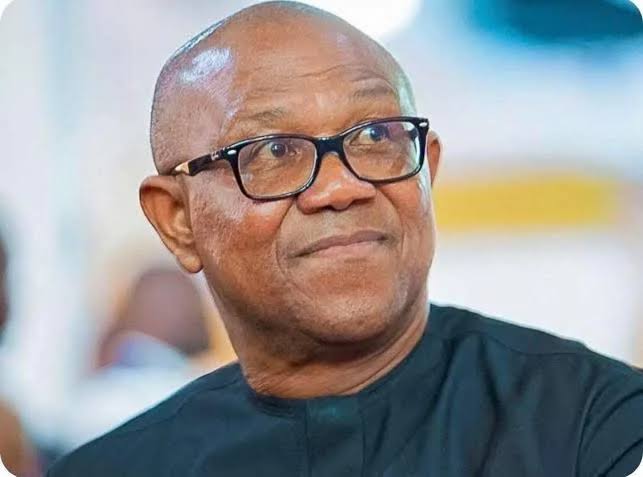

Presidential candidate of the Nigeria Democratic Congress, Peter Obi, has said he would restore petrol subsidy if elected president in 2027, arguing that the problem with the policy was not the subsidy itself but the corruption surrounding its implementation.
Obi made the declaration during an interview with the BBC on Tuesday, marking a significant shift from his position during the 2023 presidential campaign and his subsequent criticism of the manner in which subsidy was removed.
When asked whether he would reintroduce the subsidy, Obi answered in the affirmative but said any such arrangement under his administration would have to be free from the corruption he associates with the previous system.
“From day one, I’ve talked about subsidy. I talked about corruption; corruption is the problem of subsidy,” he said.
The position contrasts with Obi’s 2023 campaign stance, when he pledged to remove petrol subsidy and redirect the funds to sectors including education, healthcare and infrastructure. He also described the subsidy regime as an organised crime and argued that its beneficiaries should be eliminated.
Even after the 2023 election, Obi maintained that he supported subsidy removal, although he criticised the approach adopted by President Bola Tinubu’s administration.
In 2025, he said he would have removed the subsidy gradually and in a more organised manner, rather than through the abrupt implementation carried out by the Federal Government.
His latest position comes about two weeks after his running mate, Rabiu Kwankwaso, backed the possibility of reintroducing subsidy in a different form should the NDC win the 2027 presidential election.
Tinubu announced the removal of petrol subsidy during his inauguration on May 29, 2023, declaring that “fuel subsidy is gone.”
The decision triggered an immediate increase in petrol prices and became one of the defining economic policies of the Tinubu administration.
The Federal Government has continued to defend the policy, arguing that the resources previously committed to subsidising petrol can instead be deployed to infrastructure, education, healthcare and other areas.
The debate has remained politically and economically contentious, with Obi and other opposition figures questioning how the savings from subsidy removal have been utilised.
Obi has previously acknowledged that there was nothing inherently wrong with removing the subsidy, but argued that the policy should have been implemented alongside measures to protect Nigerians from the resulting economic shock.