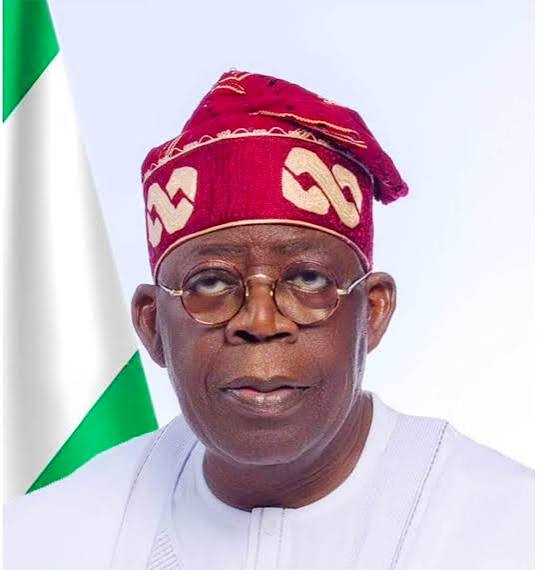

President Bola Tinubu has defended his administration’s plan to secure fresh foreign loans, saying Nigeria must invest in critical infrastructure to achieve its target of becoming a one-trillion-dollar economy by 2030.
The President said the proposed borrowings would finance major road projects, improve electricity supply, upgrade seaports and create employment opportunities.
Tinubu, in a statement titled From Reforms to Delivery: Our Infrastructure Investment and Growth Strategy, argued that the focus should be on the value of projects financed with borrowed funds rather than the amount of money being borrowed.
He listed the Lagos-Calabar Coastal Highway, Sokoto-Badagry Superhighway and Trans-Sahara Superhighway among the projects expected to boost trade, attract investment and expand economic activities.
The President also cited improvements in some economic indicators, including a 4.43 per cent GDP growth in the second quarter of 2026 and a decline in inflation to 14.63 per cent in September, as evidence of progress under his administration.
However, the Nigeria Labour Congress has questioned the justification for further foreign borrowing, following the Federal Government’s request for legislative approval to secure 20.5 billion dollars and 1.45 billion euros in fresh loans.
NLC President, Joe Ajaero, argued that increased government revenue following the removal of petrol subsidy, alongside rising international crude oil prices, should make the government explain its continued reliance on foreign loans.
Ajaero also raised concerns about the country’s debt burden and called for greater accountability in the management of public funds.
READ ALSO:Obi Questions Tinubu’s Leadership Focus Amid 2027 Re-Election Campaign
Tinubu, however, maintained that the proposed loans would be structured for long-term repayment, stressing that the ultimate measure of success would be the completion of projects, value for money and improved living conditions for Nigerians.