

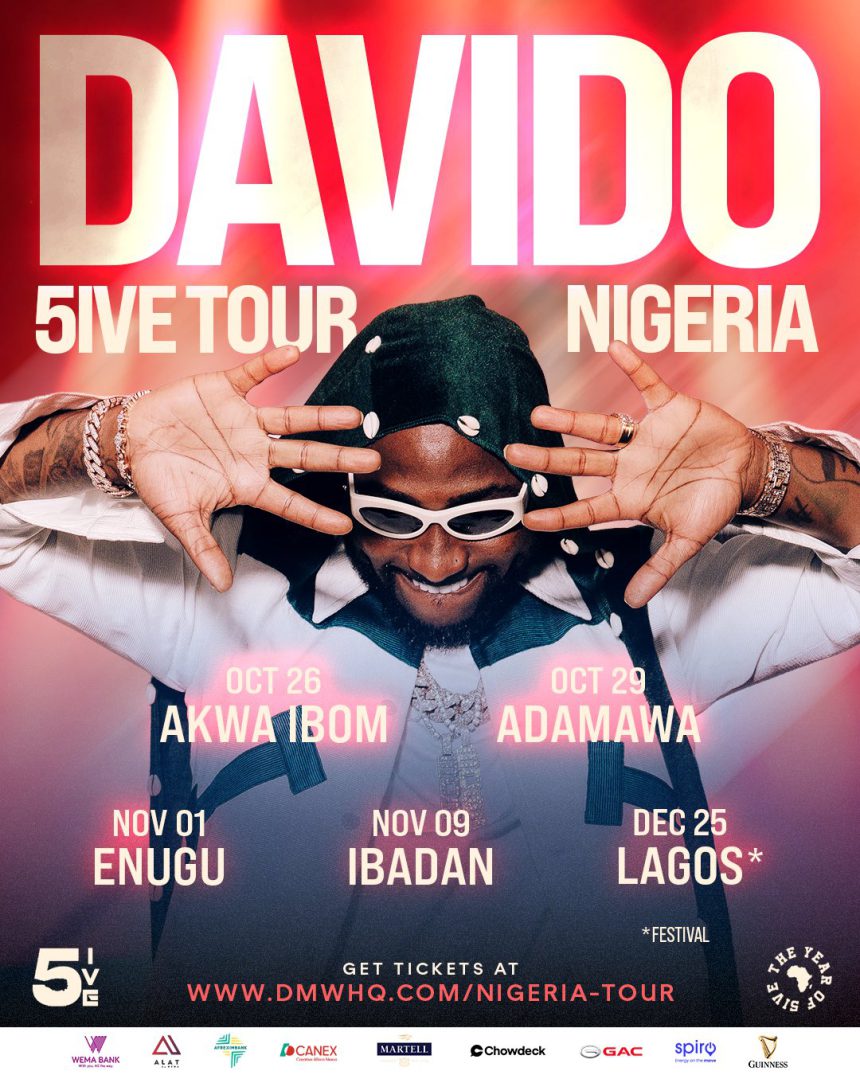

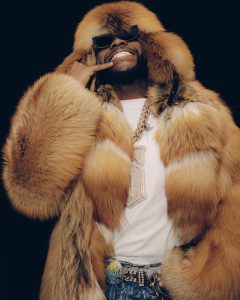
Last weekend, Uyo’s Godswill Akpabio International Stadium turned into a sea of lights and pure euphoria. Over 30,000 fans swayed, sang, and screamed as Davido kicked off his 5ive Alive Tour, transforming the city into a pulsing heart of Afrobeats joy.
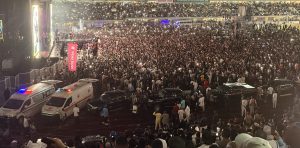
Social media caught fire. X (formerly Twitter) was alive with pride — one user crowned Akwa Ibom “the new center of good vibes,” another called it “a masterclass in real energy.”

But not a single “waste of time” tweet.
No calls for protests instead of partying…Just an unfiltered celebration.
But then, as always, the deeper debate bubbled up — the one that says a lot about who we are.
If 30,000 people packed that same stadium for a church event, would the reaction be as joyful? Or would timelines fill with sarcasm, think-pieces, and sighs about “primitive behavior”?
Moments after Davido’s last note faded, X users started calling out the double standard:
“Nobody is complaining about this concert crowd! But if half these people gathered for a Christian crusade, everyone would be talking about ‘wasted energy’ and ‘economic misdirection.’”
Another user hit harder:
“When it’s a concert, we call it fun. When it’s a church program, we call it foolish. Why the bias?”
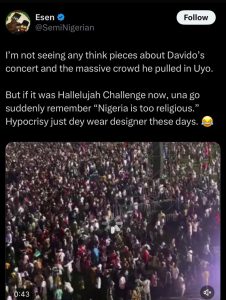
It’s not a new conversation — just one that keeps finding fresh fuel.
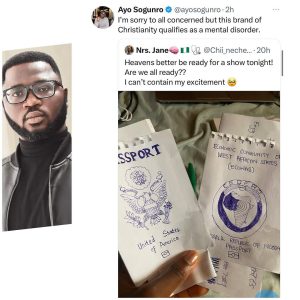
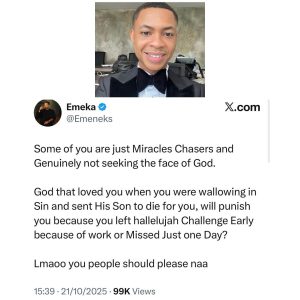
Remember the Hallelujah Challenge?
People mocked participants for “praising instead of protesting.” Yet the same critics spend thousands for a night of music and call it self-care.
When Pastor Enoch Adeboye led prayer walks during the #EndBadGovernance movement, millions joined — but the gesture was tagged “delusional.”
Meanwhile, Davido rallies massive crowds and no one asks, “Why not fix Nigeria instead?”
Some argue it’s about expectations. Artists promise entertainment, not transformation.
They deliver joy, not justice.
Churches, on the other hand, promise hope, healing, and sometimes miracles — expectations that often clash with harsh realities.
As one X user put it:
“We don’t hold concerts to salvation standards. Nobody expects Davido to save Nigeria.”
Fair. But is that the full story?
Can We Strike A Balance Between Faith and Fun
Our bias against religious gatherings also runs deeper — a cultural hangover from colonial times that equated spirituality with backwardness.
As we chase modernity, faith feels “uncool,” while fun feels “progressive.”
Still, both crowds — whether waving Bibles or glow sticks — come from the same hunger: connection, escape, belonging. One finds it in rhythm, another in reverence. Both are valid, both deeply human.
A thoughtful user summarized it beautifully:
“Concerts promise joy and deliver it. Churches promise hope but often get tied to politics. But at their core, both gatherings reveal a nation searching for meaning.”
The Real Conversation We Need
Maybe the issue isn’t the crowd — it’s what we do with that energy afterward.
Imagine if Davido’s fans brought the same passion to voter registration.
Imagine if worshippers turned their faith-fueled hope into civic action.
One defender of faith said it well:
“Don’t blame attendees — blame leaders. If pastors mislead, call them out. But also hold artists accountable for their influence.”
That’s balance.
A Call for Consistency
As election season nears, we need less hypocrisy and more honesty. Both pastors and pop stars shape our national spirit — one through sermons, the other through sound.
Crowds aren’t problems. They’re potential. Whether chanting “Dodo” or “Hallelujah,” the energy is the same: a cry for connection in a country that often feels disconnected.
So maybe it’s time we stop dividing joy into “sacred” and “secular.” Let’s demand substance from both the pulpit and the stage — because real change, like a good beat, starts when everyone moves in sync.
In a nation craving unity like a chart-topping chorus, splitting cheers by type only throws us off rhythm
Written By; Owolabi Oluwarominiy