

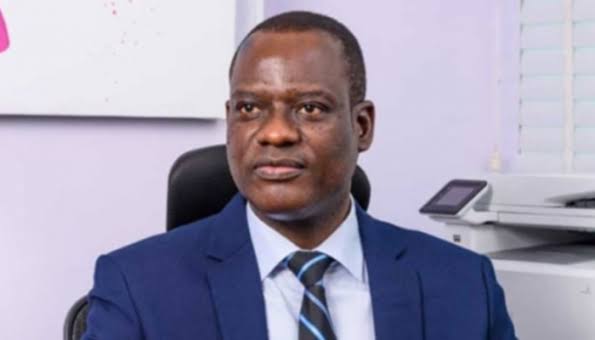

The Federal Government has pledged to release a detailed account of how savings from the removal of fuel and foreign exchange subsidies have been utilised, amid growing public concerns over the impact of the reforms and demands for greater transparency. The Minister of Finance and Coordinating Minister of the Economy, Mr. Taiwo Oyedele, gave the assurance on Thursday at the 7th Africa Emerging Markets Forum in Abuja after responding to concerns raised by the World Bank Group’s Chief Economist and Senior Vice-President for Development Economics, Indermit Gill.
Gill acknowledged that the government had increased revenues, reduced subsidies and narrowed the fiscal deficit but noted that many Nigerians were yet to see tangible improvements in their living conditions. He said the public deserved a clear explanation of how the savings from the reforms had been spent. Gill also commended the Central Bank of Nigeria (CBN) for reducing inflation from above 30 per cent to below 15 per cent, while stressing that sustaining the gains would require stronger fiscal support from the government.
Responding, Oyedele described questions about subsidy savings as valid and promised that the government would publish a comprehensive breakdown within days. He explained that the removal of fuel and foreign exchange subsidies represented savings of about five per cent of Nigeria’s Gross Domestic Product (GDP), but noted that the reforms were designed primarily to eliminate economic distortions rather than simply generate fiscal savings. According to him, part of the funds had been used to offset higher debt servicing costs resulting from increased interest rates, implement the new ₦70,000 national minimum wage and expand social intervention programmes, including the Nigerian Education Loan Fund (NELFUND), which he said has supported more than 1.5 million students with tuition payments and monthly stipends.
The finance minister also defended the government’s decision to continue borrowing despite improved revenue generation, explaining that borrowing remains necessary whenever government expenditure exceeds available income. He argued that responsible borrowing is justified when it finances projects capable of delivering economic returns greater than their costs. On concerns about rising poverty, Oyedele disagreed with the World Bank’s assessment that the reforms had worsened living conditions, insisting that the current hardship reflects the unavoidable consequences of correcting long-standing economic distortions. He added that the government is now focused on converting macroeconomic stability into job creation, higher productivity and inclusive economic growth. He further disclosed that the Federal Government is developing a framework to reduce the cost of capital without introducing new subsidies, a move aimed at complementing the CBN’s efforts to control inflation while encouraging investment in the productive sectors.
Also speaking at the forum, the Director of Statistics at the Central Bank of Nigeria, Dr. Okpanachi Moses, presented findings from a study covering 36 Sub-Saharan African countries, which showed that food price volatility and inflation reinforce each other, particularly in conflict-affected economies. He explained that because households across the region spend between 40 and 60 per cent of their income on food, fluctuations in food prices quickly translate into higher overall inflation. Moses warned that central banks in fragile economies should apply interest rate policies cautiously and instead prioritise investments that strengthen food systems and support structural reforms. He added that country-specific policy frameworks and sustained reforms remain essential to improving the effectiveness of monetary policy and achieving long-term price stability across the region.