


The Oyo State Directorate of the National Orientation Agency (NOA) has called for improved grassroots sensitization, robust information flow, and enhanced collaboration among stakeholders in tackling priority diseases across the state.
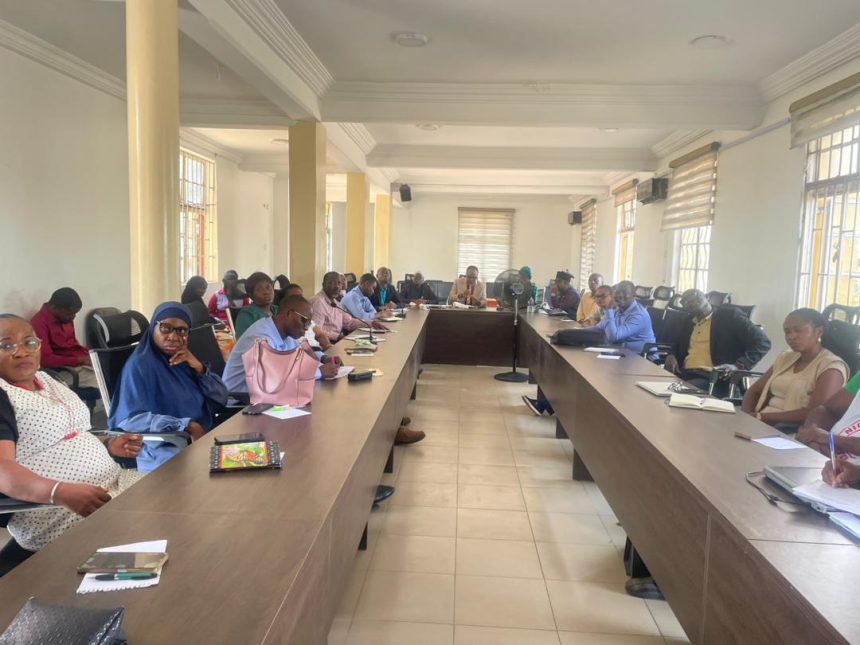
This position was articulated at the State Surveillance Technical Working Group (TWG) meeting held on Wednesday, April 1, 2026, at the PHEOC Hall, Total Garden, Yemetu, Ibadan.
In his welcome address, the Director of Public Health, Dr. Babatunde, underscored the importance of disease surveillance as a critical tool for preventing and managing outbreaks. He noted that many emerging and re-emerging diseases, including Lassa fever and other viral infections, are largely influenced by environmental and societal factors, thereby requiring collective action, increased awareness, and sustained stakeholder engagement.
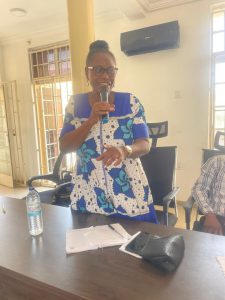
The National Orientation Agency (NOA), Oyo State Directorate, was represented at the meeting by the Deputy Director, Civic Values and Democracy Education, Mrs. Florence Siyanbade, on behalf of the State Director, Mrs. Ajolayo Akande, alongside the Media Officer, Miss Olaosebikan Oyindamola. Speaking through her representative, the State Director emphasized that effective disease control depends largely on timely information dissemination and active community engagement, particularly at the grassroots level.
She observed that gaps in communication and the inadequate inclusion of the Agency in activities at the local government level have limited the reach of sensitization efforts, stressing the need for stakeholders to carry the Agency along in all relevant engagements.
Drawing from field experience, she noted that lack of proper coordination is often responsible for missed opportunities to inform and mobilize communities, thereby weakening response efforts. She reiterated that the NOA remains strategically positioned to drive public enlightenment and behavioural change, given its widespread presence across communities, markets, and other public spaces.
According to her, “It is what we know that we can pass across to the people. Our effectiveness is dependent on being informed, involved, and adequately engaged.” The Director therefore called for improved collaboration between stakeholders and the NOA, particularly at the grassroots level, to ensure that critical health information is effectively disseminated to the public.
A technical presentation delivered by Dr. Adesope provided updates on priority diseases in the state, including diphtheria, measles, cerebrospinal meningitis, and Lassa fever, highlighting trends, outbreak responses, and key challenges. Discussions at the meeting identified delayed health-seeking behaviour, low community awareness, and weak grassroots reporting systems as major factors affecting effective disease surveillance and control.
Stakeholders emphasized the need to strengthen community informant structures, improve public sensitization, and enhance inter-agency collaboration to ensure early detection and timely response to outbreaks.
NOA reaffirmed its commitment to supporting government efforts through sustained public enlightenment campaigns, while urging all stakeholders to prioritize inclusive communication and community engagement as essential components of public health interventions in Oyo State.