

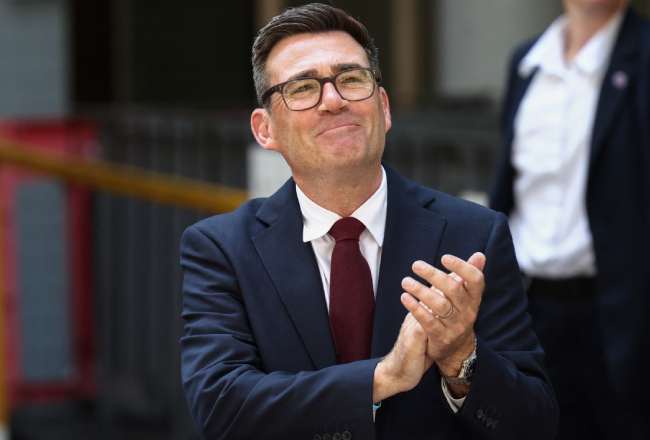

The United Kingdom government has announced a 20 per cent reduction in business rates for pubs, clubs and live music venues as part of new Prime Minister Andy Burnham’s efforts to ease the country’s cost of living crisis and support struggling businesses in the hospitality sector. The tax relief is expected to benefit about 32,000 businesses across the country when it comes into effect in April 2027.
The measure is the third major policy announcement since Burnham assumed office on Monday, following plans to cap most bus fares in England and abolish Value Added Tax (VAT) on household electricity bills. The government said the latest tax cut is designed to help businesses cope with rising operating costs, including higher energy prices and labour expenses, while breathing new life into Britain’s high streets, where many small businesses have shut down in recent years.
According to government estimates, the business rates reduction will save eligible hospitality businesses around £1,100 annually but is expected to cost the government approximately £100 million each year. However, ministers have faced questions over how the policy will be funded, with critics arguing that the government has yet to provide a clear financial plan to support the initiative.
Business owners and industry stakeholders have welcomed the announcement but insist that broader reforms are still needed. Ian Hoskins, owner of the Ma Pub Group in Liverpool, described the measure as helpful but said it remained only “a drop in the ocean.” He argued that the government should completely overhaul the business rates system and adopt policies that leave consumers with more disposable income to spend in pubs, restaurants and entertainment venues. Similarly, Music Venue Trust Chief Executive Mark Davy described the tax cut as an encouraging first step toward supporting an industry that has struggled with increasing operational costs and declining patronage.
The hospitality sector has faced mounting financial pressure in recent years, with the British Beer and Pub Association reporting that approximately one pub closes every day across the UK. Industry leaders have blamed rising utility costs, inflation, increased wages and changing consumer spending habits for the wave of closures affecting businesses that have long served as important social and cultural centres in British communities.
The opposition Conservative Party acknowledged that support for businesses was necessary but criticised the Labour government for announcing what it described as another unfunded spending commitment. Conservative spokesperson Matt Vickers argued that the previous administration had offered a 75 per cent reduction in business rates for leisure, hospitality and retail businesses, accusing Labour of reducing that support before restoring only a fraction of it. He challenged Burnham’s government to explain how the new tax relief would be financed without placing additional pressure on public finances.
Burnham, who replaced former Prime Minister Keir Starmer after the latter was removed from office two years into Labour’s administration, defended the policy as part of a broader plan to revive local economies. In a post on X, he said pubs, clubs and music venues are at the heart of British communities and vowed not to stand by while they disappear and are replaced by empty buildings and shuttered shops.
Meanwhile, the new prime minister has also received calls from some of Britain’s wealthiest individuals to increase taxes on high-income earners. Former England football captain and television presenter Gary Lineker joined more than 120 millionaires in signing the “Proud to Pay” letter, organised by the Patriotic Millionaires UK campaign. The group urged Burnham to introduce higher taxes for the wealthy, arguing that such a move could generate an estimated £24 billion in additional revenue to support public services and economic recovery. The letter stated that many of the country’s wealthiest citizens could comfortably afford to contribute more through taxation.