

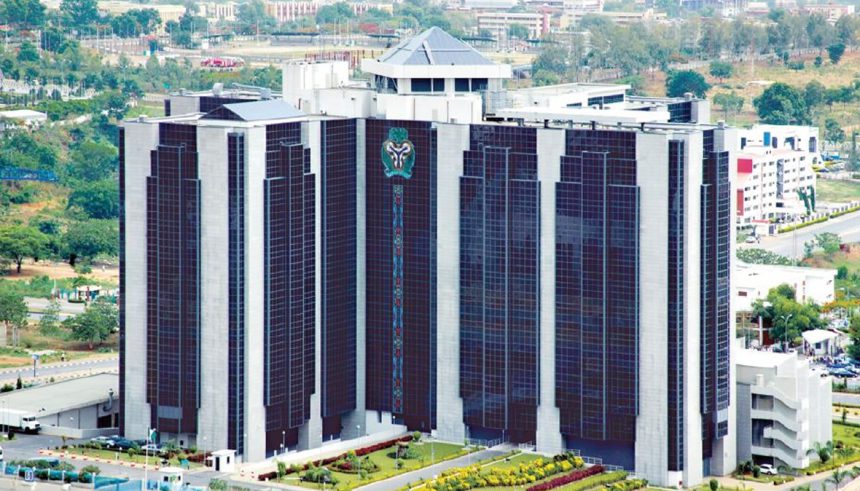

The Central Bank of Nigeria (CBN) has introduced stringent penalties for banks and authorised dealers that process foreign exchange transactions without proper documentation, signalling a tougher regulatory stance on compliance and market transparency.
Under the newly released fourth edition of the Foreign Exchange Manual, authorised dealers found guilty of consummating foreign exchange transactions with inadequate documentation will face a penalty of N100 million, in addition to N10 million for each affected transaction.
The measure forms part of a broader effort by the apex bank to strengthen governance in the foreign exchange market, curb regulatory breaches and restore confidence in the country’s forex management framework.
The revised manual, unveiled by the CBN’s Trade and Exchange Department in May 2026, represents the first comprehensive update to Nigeria’s foreign exchange guidelines since 2017. It serves as a key regulatory document for banks, authorised dealers, exporters, importers, investors and other participants in the foreign exchange ecosystem.
Thid is part of the regulator’s determination to eliminate loopholes that have historically enabled irregular transactions, speculative activities and non-compliance within the market.
The decision comes at a time when Nigeria continues efforts to stabilise the naira, improve foreign exchange liquidity and attract investor confidence following years of volatility in the currency market.
By imposing steep penalties, the CBN is effectively sending a message that compliance failures will no longer be treated as routine administrative infractions but as serious violations capable of undermining market integrity.
As the new rules take effect, financial institutions are expected to review their compliance structures to avoid potentially costly sanctions under what is shaping up to be one of the toughest foreign exchange enforcement regimes introduced by the apex bank in recent years.