

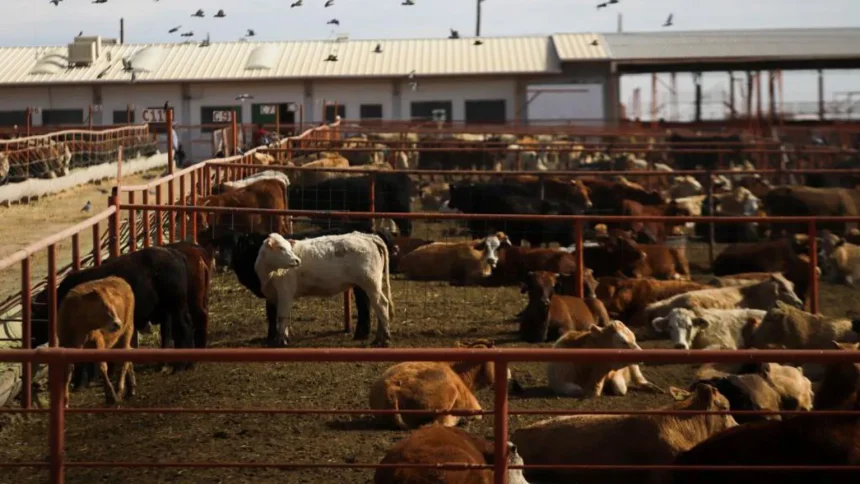

A growing outbreak of the flesh-eating New World screwworm in the United States has triggered fresh concerns over livestock health and cross-border trade, prompting Canada to impose an immediate ban on certain animals originating from Texas.
The decision by the Canadian Food Inspection Agency comes after US authorities confirmed a second case of the destructive parasite in a calf in Texas, raising fears that the infestation could spread across one of North America’s most important cattle-producing regions.
Under the temporary restrictions, cattle and horses that have been in Texas within 21 days before entering Canada will be denied entry, as officials move to prevent the parasite from crossing the border and threatening the country’s livestock industry.
This follows the growing alarm over the resurgence of the New World screwworm, a pest long regarded as one of the most devastating parasites affecting livestock. Unlike ordinary maggots that feed on dead tissue, screwworm larvae burrow into the flesh of living animals, creating severe wounds that can lead to infection, suffering and, in some cases, death if left untreated.
Speaking to reporters, Texas Governor, Greg Abbott acknowledged concerns that the infestation could expand significantly during the warmer months.
“This is likely to spread over the course of the summer,” he said.
The outbreak is particularly worrying because Texas sits at the heart of the American cattle industry. As the leading beef-producing state in the United States, Texas is home to millions of cattle and plays a critical role in both domestic food supply chains and international livestock trade.
The New World screwworm was largely eradicated from the United States decades ago through an intensive pest-control programme involving the release of sterile male flies. However, sporadic outbreaks continue to occur in parts of Central America and Mexico, creating ongoing concerns about reintroduction into North America.
Veterinary authorities are now intensifying surveillance efforts, while livestock producers have been urged to inspect animals closely for unusual wounds and signs of infestation.