

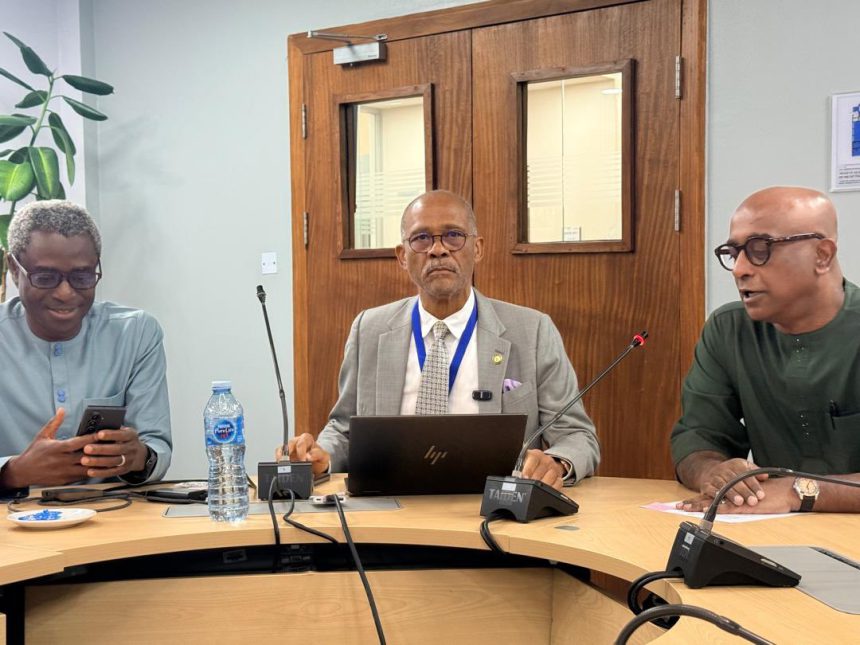

Lagos State Commissioner for Health, Prof. Akin Abayomi, has revealed that only five per cent of people presenting with fever in the state are diagnosed with malaria, warning that treating every fever as malaria is leading to widespread misdiagnosis and inappropriate use of medication.
In a post on his official X account, the commissioner said findings from the Lagos State World Bank-supported IMPACT Project have reshaped the state’s approach to malaria diagnosis and fever management.
According to Abayomi, the project screened nearly 78,000 patients with fever across 392 health facilities, including community pharmacies and Patent and Proprietary Medicine Vendor (PPMV) outlets, making it the largest field evaluation of malaria diagnosis ever conducted in Nigeria.
The study found that although malaria has traditionally been presumed to account for about 70 per cent of fever cases, laboratory testing showed the actual prevalence was only five per cent.
“For decades, fever has become synonymous with malaria in our communities.
Patients often present convinced they have malaria, while healthcare providers have historically treated fever as malaria until proven otherwise.
That approach served us during an era of high malaria transmission.
Today, the evidence tells a different story,” Abayomi said.
He explained that the findings were confirmed using World Health Organization-accredited malaria Rapid Diagnostic Tests (RDTs), with results validated through expert microscopy and Polymerase Chain Reaction (PCR), regarded as the gold standard for diagnostic accuracy.
Based on the findings, the Lagos State Government has adopted quality-assured malaria Rapid Diagnostic Tests as the first-line diagnostic tool for all suspected malaria cases.
Abayomi added that the state is working with the Pharmacy Council of Nigeria (PCN) to expand access to accredited RDTs in community pharmacies and PPMV outlets, where many residents first seek treatment.
He stressed that every patient presenting with fever should undergo proper diagnostic testing before treatment begins, while confirmed malaria cases should receive prompt treatment alongside surveillance and environmental measures to reduce transmission.
Describing fever as a symptom rather than a disease, the commissioner urged healthcare providers to investigate other possible causes when malaria tests are negative, including respiratory viral infections, dengue fever, Lassa fever, bacterial infections and inflammatory conditions.
He warned that the indiscriminate use of antimalarial drugs and antibiotics not only delays accurate diagnosis but also wastes limited healthcare resources and contributes to the growing threat of antimicrobial resistance.
Abayomi said discussions at a recent session hosted by the World Bank Nigeria Country Office focused on expanding the Lagos model nationwide through stronger regulation, improved access to quality diagnostic tools and greater participation by private healthcare providers.