

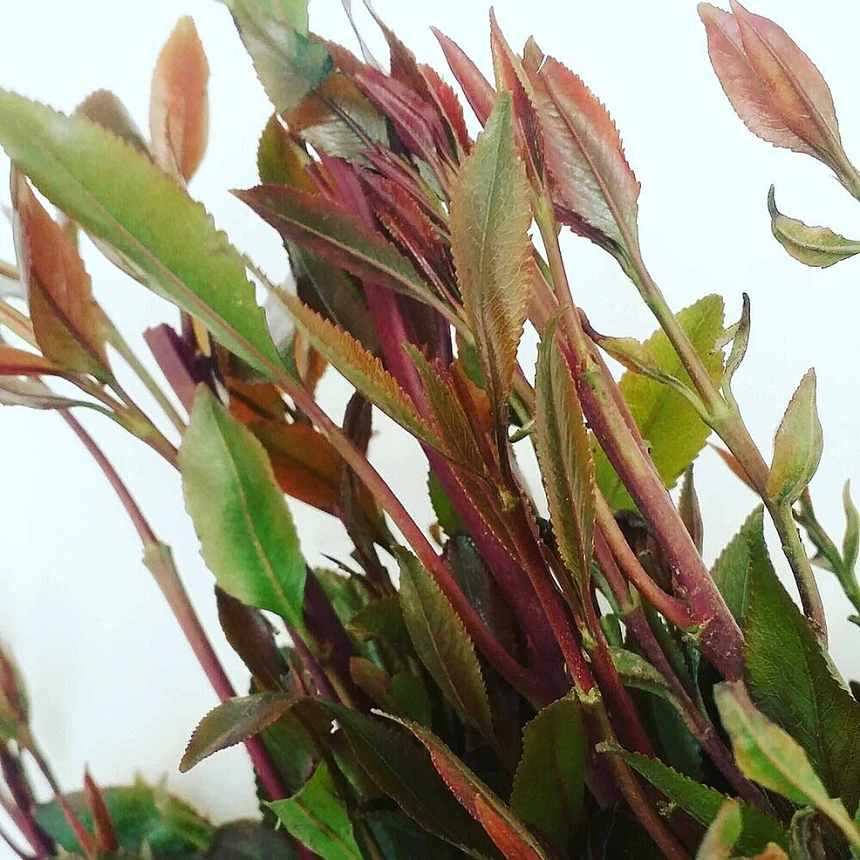

For several decades, communities across the Horn of Africa and the Middle East have gathered around a plant believed to bring energy, conversation and moments of social connection. Known as khat, the leaves of Catha edulis have become deeply woven into cultural traditions, religious practices and everyday social life.
For many users, chewing khat is described as a recreational experience, a pursuit of relaxation, alertness and temporary happiness. But beneath the social rituals surrounding the plant lies a growing public health debate over its long-term consequences.
Khat contains two major psychoactive compounds: cathinone and cathine. Cathinone, the more powerful stimulant, has chemical similarities to substances such as amphetamine. Because it breaks down quickly after harvesting, the leaves are usually consumed fresh to produce the strongest effects.
The traditional practice involves chewing fresh leaves and tender shoots for several hours. Users typically form a wad of leaves inside the cheek, allowing the active compounds to gradually enter the bloodstream through saliva. Sessions can involve large quantities of leaves and often take place in social groups.
The immediate effects can include increased energy, alertness, confidence, talkativeness and reduced appetite. However, as the stimulant effect fades, many users experience fatigue, low mood, irritability and emotional withdrawal.
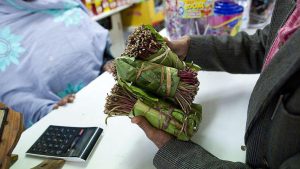
Khat remains widely consumed in countries such as Yemen, Ethiopia, Somalia, Djibouti and Kenya, where it has significant cultural importance.
In some communities, chewing khat is associated with social gatherings, business discussions and religious traditions, including helping worshippers stay awake during long periods of prayer.
However, health researchers warn that frequent and heavy consumption can carry serious risks.
Studies have linked excessive khat use with mental health challenges, including anxiety, depression, sleep disorders and psychosis.
Research conducted in Hargeisa, Somaliland, found that many heavy khat users reported severe psychological symptoms, while heavy consumption, particularly more than two bundles a day has been associated with increased risks of paranoia and hallucinations.
Other studies have suggested that chronic users may develop dependence, creating a cycle where individuals continue chewing to manage stress or emotional difficulties caused partly by the substance itself.
What are the impacts?
Beyond mental health concerns, researchers have also examined khat’s effects on the body.
Long-term use has been associated with increased cardiovascular risks, including high blood pressure and heart-related conditions. A hospital study in Hargeisa found significant levels of hypertension among khat users, raising concerns about its contribution to the growing burden of noncommunicable diseases.
The stimulant properties of khat may also affect sleep patterns, appetite, digestion and overall wellbeing.
For men, prolonged use has been linked in some studies to reduced sexual function, lower sperm quality and reproductive challenges. Among pregnant women, khat consumption has been associated with risks such as low birth weight and impaired fetal development.
International concerns about khat date back decades. The World Health Organization identified khat misuse as a regional issue in the 1960s, particularly in countries where consumption was widespread.
Unlike substances classified under international drug control treaties, khat has not been placed under the same global restrictions, partly because of differences in scientific assessments and cultural considerations.
Its legal status varies significantly worldwide.
While it remains legal and culturally accepted in some producing countries, it is prohibited in several nations, including the United States, Saudi Arabia, Malaysia and many European countries.
The debate around khat reflects a broader global challenge: how societies balance cultural practices with emerging evidence about health risks.
For many users, khat represents community, tradition and social bonding. For health experts, excessive consumption represents a preventable risk linked to addiction, mental health disorders and chronic disease.
As research continues, the conversation around khat is moving beyond whether the plant brings temporary happiness to a deeper question: what are the long-term costs of chasing that feeling?