
The global drug crisis is no longer simply a problem of illegal substances or criminal networks. It is increasingly a public health and social challenge affecting individuals, families and entire communities, with young people among those most vulnerable to its consequences.

Recent global estimates indicate that 331 million people used illicit drugs in 2024, the highest figure ever recorded and a 34 per cent increase over the previous decade. While part of the increase reflects improvements in data collection and reporting, the trend points to a rapidly evolving drug problem driven by the growing availability of both traditional and synthetic substances.
Behind the statistics are people dealing with addiction, deteriorating health, broken relationships, stigma and, in many cases, exclusion from essential support services.
The crisis also extends beyond individual drug use. Illicit drug markets are closely connected to organised crime, corruption, economic crime and, in some regions, terrorism. Tackling the problem therefore requires more than arrests and seizures; it demands prevention, treatment, rehabilitation and interventions that address the social and economic conditions that make people vulnerable to drug use and trafficking.
Drugs are substances that alter the normal functioning of the body or brain. Some are legal and widely used, including caffeine, nicotine and alcohol, while others are controlled because of their potential for harm.
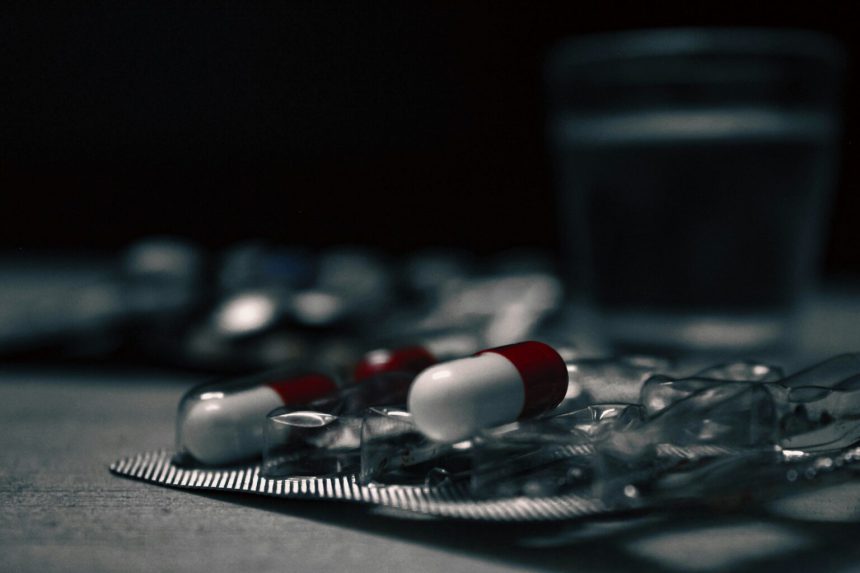
Prescription medicines can be essential for treating illnesses, but they can also be misused when taken outside medical guidance.
The effects of illicit drugs vary according to the substance, dosage and method of use. However, prolonged or harmful use can affect physical health, mental wellbeing, behaviour and relationships.
Young people are particularly vulnerable because drug exposure during critical stages of physical and psychological development can have lasting consequences.
Mixing different substances can also produce unpredictable and potentially fatal effects.
One of the most difficult aspects of addiction is that people struggling with substance use may continue using drugs despite experiencing serious consequences. This is why experts increasingly emphasise treatment and rehabilitation alongside law enforcement.
The scale of the treatment gap is particularly concerning. The list is endless too. Meth, crack, Cannabis, glass, heroine, psp…
Of the estimated 64 million people living with drug use disorders in 2023,only about one in 12 received drug-related treatment, according to recent global findings.
That means millions of people who need medical, psychological or social support remain untreated.
Women face an additional burden, with drug-dependent women often experiencing disproportionate stigma and discrimination. Experts say treatment services must therefore be voluntary, accessible, evidence-based and designed to protect the dignity of everyone affected by drug use.
The challenge is not simply getting people to stop using drugs. It also involves addressing the underlying factors that contribute to substance dependence, including poverty, trauma, unemployment, social isolation and lack of economic opportunity.
Nigeria is far from insulated from the global crisis.
Available national data indicate that about 14.3 million Nigerians aged 15 to 64 use drugs, representing approximately 14.4 per cent of that age group, significantly higher than the global estimate.
Cannabis remains one of the most widely abused substances in the country, with the National Drug Law Enforcement Agency (NDLEA) estimating that more than 10 million Nigerians use it.
Law enforcement agencies are also confronting the increasing availability of synthetic drugs, which can be particularly dangerous because of their potency and unpredictable composition.
The scale of the illicit market is reflected in the volume of drugs intercepted by Nigerian authorities. The NDLEA reported seizing illicit drugs worth billions of naira in 2024, including a major methamphetamine seizure linked to a drug syndicate in Ogun State.
One of the emerging concerns in Nigeria is the increasing involvement of women in substance use.
Available estimates suggest that approximately one in four drug users in Nigeria is a woman, highlighting the need for interventions that recognise the different social and economic factors that expose women to substance abuse.
Women who use drugs may also face stronger social stigma, making them less likely to seek help or disclose their struggles.
Experts therefore argue that treatment programmes must be designed to accommodate the specific needs of women, including access to confidential care, mental health services and protection from discrimination.
Poverty and Unemployment is Fuelling the Crisis
For many Nigerians, substance abuse cannot be separated from the broader economic and social environment.
Poverty, unemployment, insecurity, social dislocation and limited economic opportunities can create conditions in which drugs become an escape from hardship, emotional distress or hopelessness.
The same vulnerabilities can also make young people susceptible to recruitment into drug trafficking networks.
Long-term efforts to dismantle illicit drug economies must therefore go beyond destroying drug crops or arresting traffickers. Communities need viable economic alternatives, education, employment opportunities and social protection.
Without addressing those underlying conditions, removing one source of illicit income can simply create space for another.
What does This Crisis Demand?
Drug control policies in many countries have historically focused heavily on criminalisation. Available data show that drug possession or use is criminalised in a significant proportion of countries, while some regions impose particularly severe penalties for trafficking.
But punishment alone cannot solve addiction. A person battling substance dependence may require medical treatment, counselling, rehabilitation and long-term social support rather than imprisonment alone. Likewise, communities affected by drug trafficking need economic opportunities and stronger social institutions to reduce the appeal of illicit markets.
The global response therefore requires a balance between disrupting organised criminal networks and treating drug dependence as a health and social issue.
As Monica Juma, Executive Director of the United Nations Office on Drugs and Crime (UNODC), noted in the World Drug Report 2026, the rising number of drug-related deaths is a reminder that the crisis is fundamentally a human challenge affecting lives, families and communities.
The warning is particularly relevant for Nigeria, where millions of people are already exposed to substance abuse and where the treatment infrastructure remains under pressure.
The question is no longer simply how many drugs authorities can seize or how many users can be arrested. It is whether society can prevent vulnerable people from entering the cycle of addiction, provide effective treatment to those already trapped in it, and address the poverty, unemployment and social exclusion that continue to feed the crisis.