

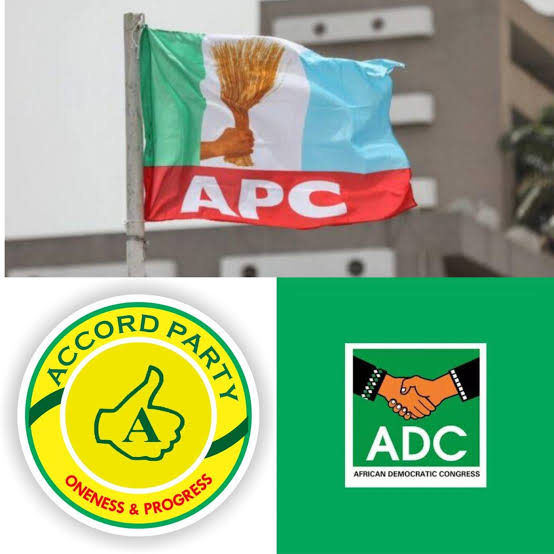

The All Progressives Congress (APC) and Accord Party have been accused of engaging in widespread vote-buying across Osun State ahead of Saturday’s governorship election, with voters reportedly offered between N10,000 and N20,000 in exchange for their support.
Findings have indicated that vote-buying activities began several days before the election, with some voters alleging that the two parties started distributing cash as early as Monday and Tuesday.
The alleged inducement reportedly extended beyond cash payments, with food items and other gifts also distributed to voters in some communities.
Some voters claimed that party agents collected their bank account details ahead of the election, with assurances that money would be transferred to them after they had voted.
The development has raised concerns over the integrity of the electoral process, particularly as political parties intensify efforts to secure votes across the state.
In some communities, the reported inducement allegedly took a more unusual turn, with beneficiaries said to have been compelled to swear oaths promising to vote for the candidate of the party providing the money or items.
The APC and Accord are among the leading contenders in Saturday’s election, with Accord candidate Ademola Adeleke seeking another term against APC candidate Bola Oyebamiji.
The African Democratic Congress candidate, Najeem Salaam, and nine other candidates are also participating in the contest.
A total of 1,906,390 voters who collected their Permanent Voter Cards are expected to participate in the election across the state.
The reported vote-buying allegations come amid heightened political tension in Osun, where parties have traded accusations over attempts to influence voters and manipulate the electoral process.
The Independent National Electoral Commission has repeatedly warned against vote-buying and other forms of electoral malpractice, while security agencies have also been deployed across the state to ensure a peaceful conduct of the poll.
As voters head to the polling units on Saturday, attention will now focus on whether the electoral authorities and security agencies can effectively prevent inducement and ensure that the outcome reflects the free choice of the electorate.