

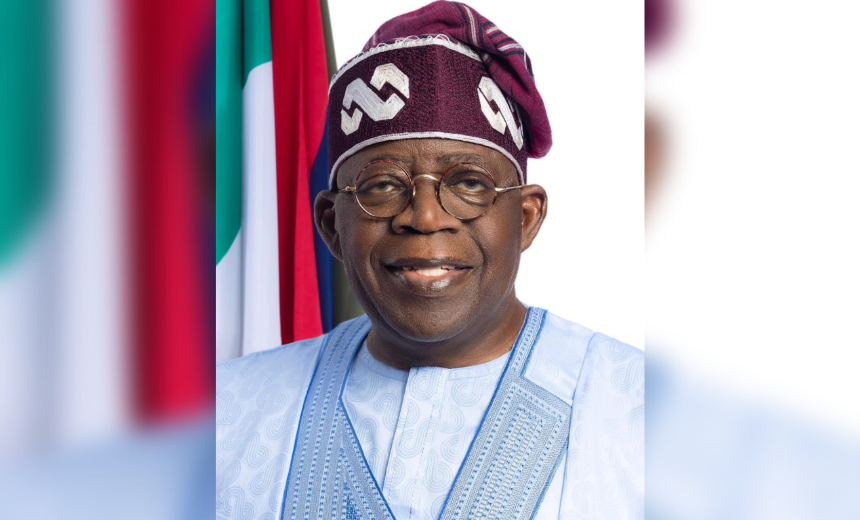

President Bola Tinubu has directed all Ministries, Departments and Agencies (MDAs) to strictly comply with established procurement guidelines in the award and execution of government contracts.
The Director-General of the Bureau of Public Procurement (BPP), Adebowale Adedokun, disclosed this on Thursday during the Procurement Day celebration held in Abuja.
According to Adedokun, the President has consistently supported procurement reforms while maintaining a policy of non-interference in procurement processes, insisting on strict adherence to due process across government institutions.
“Since my resumption as Director-General, President has extended his absolute and unwavering executive support, characterised by a principled stance of non-interference and strict insistence on compliance,” he said.
He noted that the Tinubu administration has implemented several reforms aimed at improving transparency, efficiency, digitalisation, regulatory compliance and support for indigenous businesses.
Adedokun also revealed that the President has directed that all contract variations be subjected to review and approval by the BPP to prevent cost inflation and ensure value for public funds.
The BPP boss further highlighted the impact of the government’s Nigeria-First policy, which prioritises locally assembled vehicles and other made-in-Nigeria products in public procurement.
According to him, the policy has significantly reduced government spending on vehicle procurement while encouraging local manufacturing.
He added that revised procurement approval thresholds have eased the workload of the Federal Executive Council (FEC), enabling it to focus more on policy and governance matters.
Procurement responsibilities have also been further decentralised to ministerial and parastatal tenders boards, as well as accounting officers, to improve efficiency while preserving accountability.
Adedokun said the Bureau now deploys price intelligence and benchmarking tools to guarantee value for money in government procurement and is collaborating with six universities to strengthen procurement education and professional certification.
He added that efforts are ongoing to extend procurement reform initiatives to state and local government levels.