


The President of the Association of Resident Doctors at the Olabisi Onabanjo University Teaching Hospital (OOUTH), Sagamu, Dr. John Omotoso, has called for improved remuneration for healthcare workers, insisting that no doctor in Nigeria should earn less than N1 million monthly.
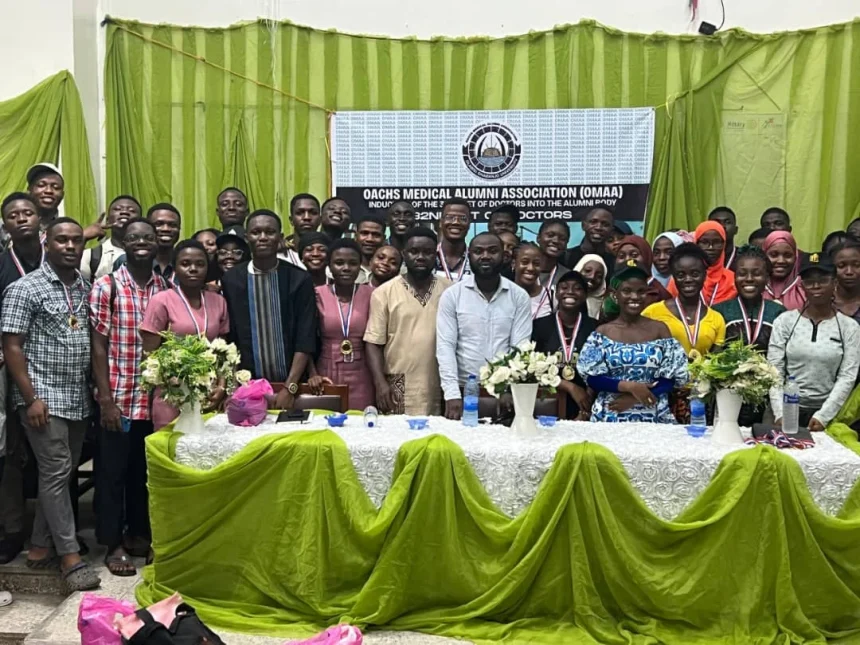
Omotoso made the demand on Monday during the 32nd induction ceremony of medical graduates into the Obafemi Awolowo College of Health Sciences Medical Alumni Association at Olabisi Onabanjo University.
The medical practitioner expressed concern over the increasing migration of Nigerian health professionals abroad, attributing the trend largely to poor salaries and unfavourable working conditions.
According to him, the continued exodus of doctors and other healthcare workers has worsened the shortage of medical personnel across the country, placing additional pressure on an already strained healthcare system.
He warned that unless urgent measures are taken to improve welfare packages and working conditions, the country risks losing more skilled professionals to foreign healthcare systems offering better incentives.
“The truth is that practising medicine in the country is no longer appealing and encouraging, and the faster the government addresses this challenge, the better for everyone,” Omotoso said.
The resident doctors’ leader also urged the government to declare a state of emergency in the health sector, describing the situation as critical and requiring immediate intervention.
As part of measures to strengthen the local healthcare system, he advocated a policy that would prohibit politicians and public office holders from seeking medical treatment abroad.
According to him, such a move would compel leaders to invest more seriously in improving healthcare infrastructure and service delivery within Nigeria.
Omotoso argued that if public officials were required to rely on local hospitals, greater attention would be given to addressing the challenges confronting the sector, including inadequate facilities, manpower shortages and poor staff welfare.
He maintained that meaningful reforms in the healthcare sector remain essential to retaining skilled professionals and ensuring quality healthcare services for Nigerians.