

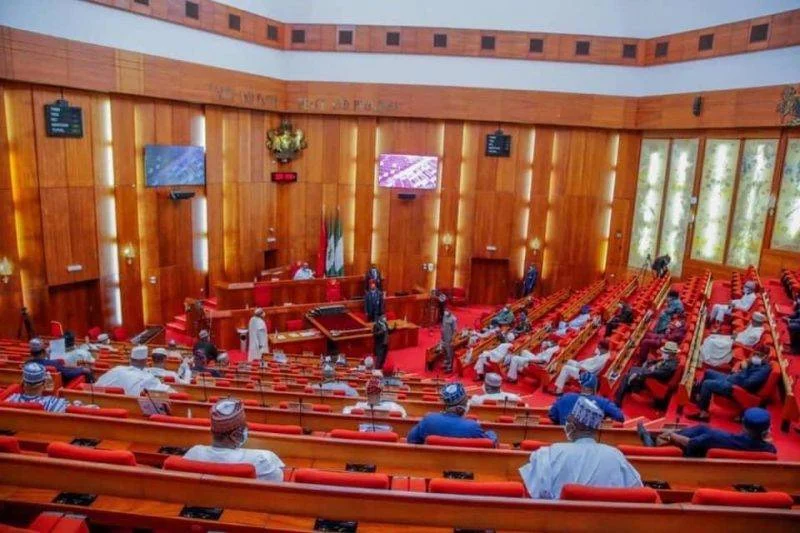

The Senate is expected to address the controversy surrounding the N1.3 billion allocation to the Presidential Foreign Intervention Promotion Council when plenary resumes on Tuesday, amid fresh revelations that a forged appointment letter allegedly helped the unrecognised body operate as a government agency for more than a year.
The development follows allegations that a fake appointment letter bearing a forged signature of the President’s Chief of Staff, Femi Gbajabiamila, was accepted by officials at the Civil Service Headquarters without proper verification, enabling Prince Adeniyi Adeyemi Mathew to secure office space at the Federal Secretariat Complex in Abuja.
Sources within the Presidency and the Federal Civil Service, who spoke on condition of anonymity because of the sensitivity of the matter, said lapses in due diligence across several government institutions allowed the controversial council to gain an appearance of legitimacy.
According to the sources, weaknesses in internal verification processes at the Civil Service Headquarters, the Budget Office and the National Assembly contributed to the council’s activities going unchecked, despite questions surrounding its legal status.
They further alleged that the failure to authenticate the appointment letter paved the way for the council to engage with diplomatic missions, government ministries, agencies and private organisations under the guise of an official federal institution.
The controversy has also focused attention on the N1.3 billion allocation captured for the council in the 2026 Appropriation Act.
Sources familiar with the budget process claimed the allocation was approved even though neither Adeyemi nor any representative of the council appeared before the Senate Committee on Establishment and Public Service to defend the proposed expenditure.
A National Assembly source alleged that the budget provision was inserted through what was described as a “backdoor arrangement,” raising fresh concerns over transparency and oversight in the appropriation process.
Lawmakers are expected to deliberate on the matter as the Senate reconvenes.