

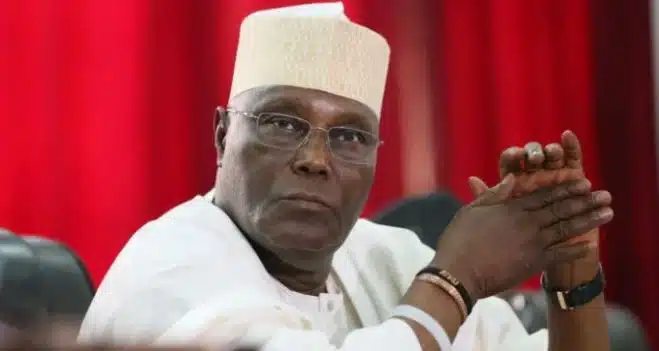

The African Democratic Congress (ADC) has defended the absence of its presidential candidate, Atiku Abubakar, from the signing of the National Peace Accord, describing the decision as a protest against what it called the failure of the peace process to adequately address electoral violence.
The party’s National Publicity Secretary, Bolaji Abdullahi, stated this on Friday during an interview on Channels Television’s Sunrise Daily. He said political leaders had repeatedly signed similar peace agreements during previous election cycles, yet acts of violence, harassment and killings continued without what he described as sufficient intervention from the National Peace Committee.
Abdullahi cited the recent Osun State governorship election, which was reportedly marred by violence, and accused the committee of failing to publicly respond to incidents and statements capable of encouraging electoral violence. He said the ADC’s decision to stay away from the signing ceremony was intended to demand greater accountability and more decisive action from the organisers of the peace process.
According to him, the National Peace Committee must go beyond organising ceremonial signing events and ensure that political leaders and parties are held accountable for commitments made under the accord. He added that leaders should be called out over statements that could encourage violence, irrespective of their political status.
“We are saying you need to do more. It’s not just to gather us for the ceremony of signing. If we commit to something, you have to be able to ask people to abide by it,” Abdullahi said.
The first phase of the National Peace Accord was signed on Tuesday by several presidential candidates, political leaders and other aspirants ahead of the 2027 general elections. The agreement is aimed at promoting peaceful political engagement, issue-based campaigns and violence-free elections before, during and after the polls.
Nigeria Democratic Congress presidential candidate, Peter Obi, signed the accord and called for credible and peaceful elections, urging Nigerians not to support candidates who violate the agreement.
President Bola Tinubu and Atiku were, however, absent from the signing ceremony. The Secretary to the Government of the Federation, George Akume, represented Tinubu and reaffirmed the Federal Government’s commitment to peaceful elections, while rejecting electoral violence, hate speech, misinformation and incitement.
Also speaking at the event, INEC Chairman, Joash Amupitan, pledged the commission’s neutrality and commitment to conducting credible elections. He urged political parties to make the 2027 campaigns a “marketplace of ideas” focused on practical solutions rather than insults, violence and conflict.
The National Peace Committee, represented by Bishop Matthew Kukah, also urged politicians to ensure that the outcome of elections translates into measurable improvements in the lives of Nigerians.
The absence of both Tinubu and Atiku from the ceremony has continued to generate reactions, with Omoyele Sowore and Adewole Adebayo among those who criticised the President’s absence and questioned the seriousness attached to the peace process.